
Home › Applications › Renewable gas & carbon capture › Molecular Sieve for Biogas Upgrading
Renewable gas & carbon capture
Molecular Sieve for Biogas Upgrading
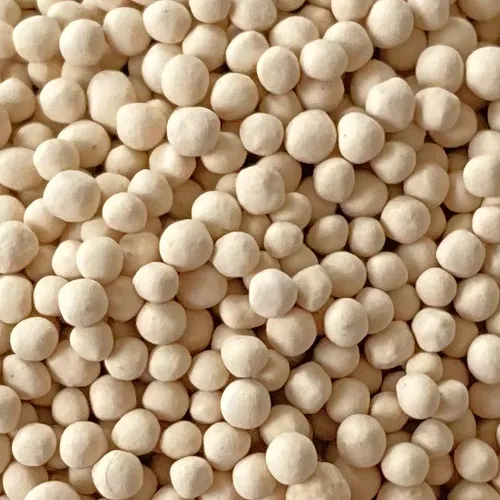
Core Adsorbent supplies CO₂ adsorbent molecular sieve for PSA and VPSA biogas upgrading, removing CO₂ so biomethane can meet grid-injection or vehicle-fuel specifications.
≥ 18 %
Static CO₂ adsorption
30–50 %
CO₂ in raw biogas (typical)
15–35 days
Delivery time
1 t
MOQ per grade
01 Overview
Which molecular sieve is used for biogas upgrading?
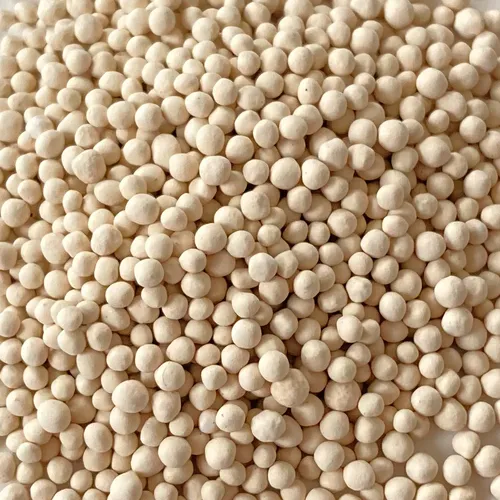
Biogas upgrading by PSA or VPSA uses a CO₂-selective molecular sieve — an optimised 13X-type zeolite — that adsorbs CO₂ ahead of methane and releases it under reduced pressure. The feed must first be cleaned of H₂S and siloxanes and dried, usually with an activated alumina layer.
| Main adsorbent | CO₂ Adsorbent Molecular Sieve |
| Drying layer | Activated Alumina Desiccant |
| Process | PSA or VPSA |
| Regeneration | Pressure or vacuum swing, no heat |
| Pretreatment | H₂S and siloxane removal |
02 Challenges
What makes biogas upgrading difficult?
Biogas is wet, dirty and variable.

H₂S and siloxanes
They damage adsorbents and engines and must be removed upstream.

Water
Water is held far more strongly than CO₂ and takes up sites.

Methane slip
Methane lost with the tail gas lowers yield.

Variable feed
Digester output changes with feedstock and season.
03 Solutions
Recommended setup for biogas plants
01
Grid-injection biomethane
Typical requirement: meet grid CO₂ and water limits
- CO₂ Adsorbent Molecular Sieve — CO₂ removal by PSA / VPSA
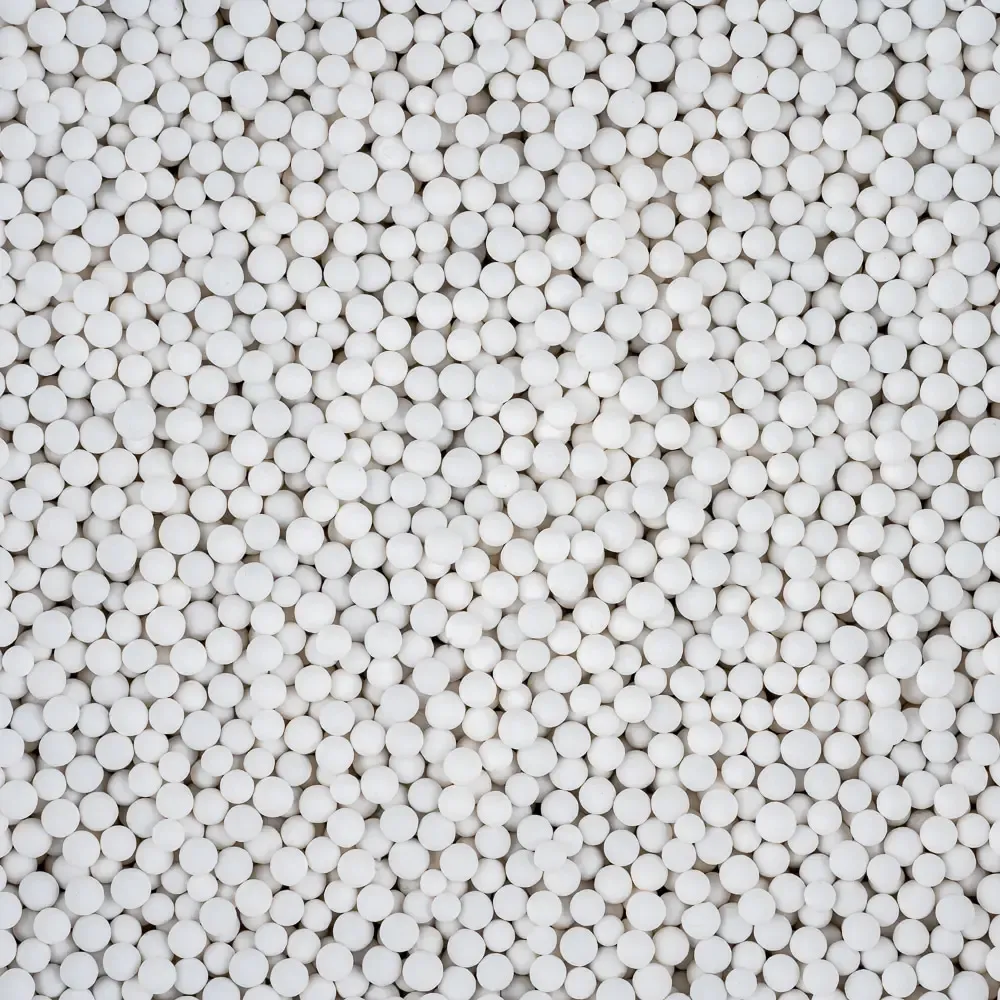
- Activated Alumina Desiccant — drying layer ahead of the CO₂ bed
02
Bio-CNG vehicle fuel
Typical requirement: consistent methane quality
- CO₂ Adsorbent Molecular Sieve — CO₂ removal
- 3A Molecular Sieve — final drying where required
03
Small farm units
Typical requirement: simple, robust upgrading
- CO₂ Adsorbent Molecular Sieve — compact PSA beds
04 Selection guide
CO₂ adsorbent vs other biogas upgrading options
Choose by feed quality, plant size and available utilities.
| Option | How it separates | Regeneration | Liquid handling | Best for |
|---|---|---|---|---|
| CO₂ Adsorbent Molecular Sieve | Equilibrium adsorption, high CO₂ capacity | Pressure / vacuum swing | None | Dry, sweet biogas |
| Carbon molecular sieve (CMS) | Kinetic — CO₂ diffuses faster than CH₄ | Pressure / vacuum swing | None | Kinetic PSA where feed drying is limited |
| Water scrubbing | Physical absorption in water | Pressure release / stripping | Water circulation | Large plants with water available |
| Amine scrubbing | Chemical absorption | Heated solvent | Solvent, pumps, make-up | Large plants with heat available |
05 Key properties
CO₂ adsorbent data
≥ 18 %
Static CO₂ adsorption
13X-type
Framework
No heat
Regenerates by pressure swing
COA
Lot test report with every shipment
Biogas CO₂ range is typical for digester gas. Full data: CO₂ Adsorbent Molecular Sieve.
06 From our plant
What you receive
The adsorbent, the packing and the plant it ships from.

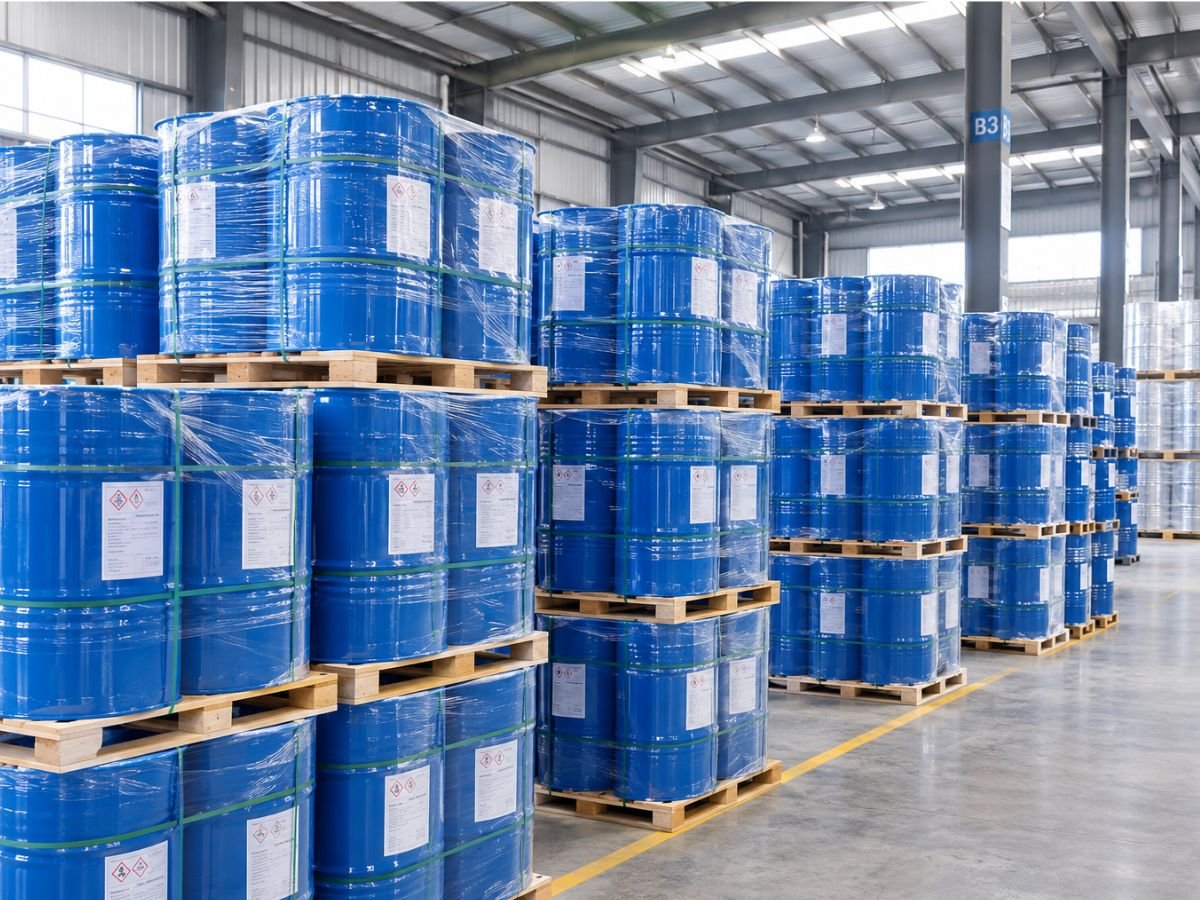
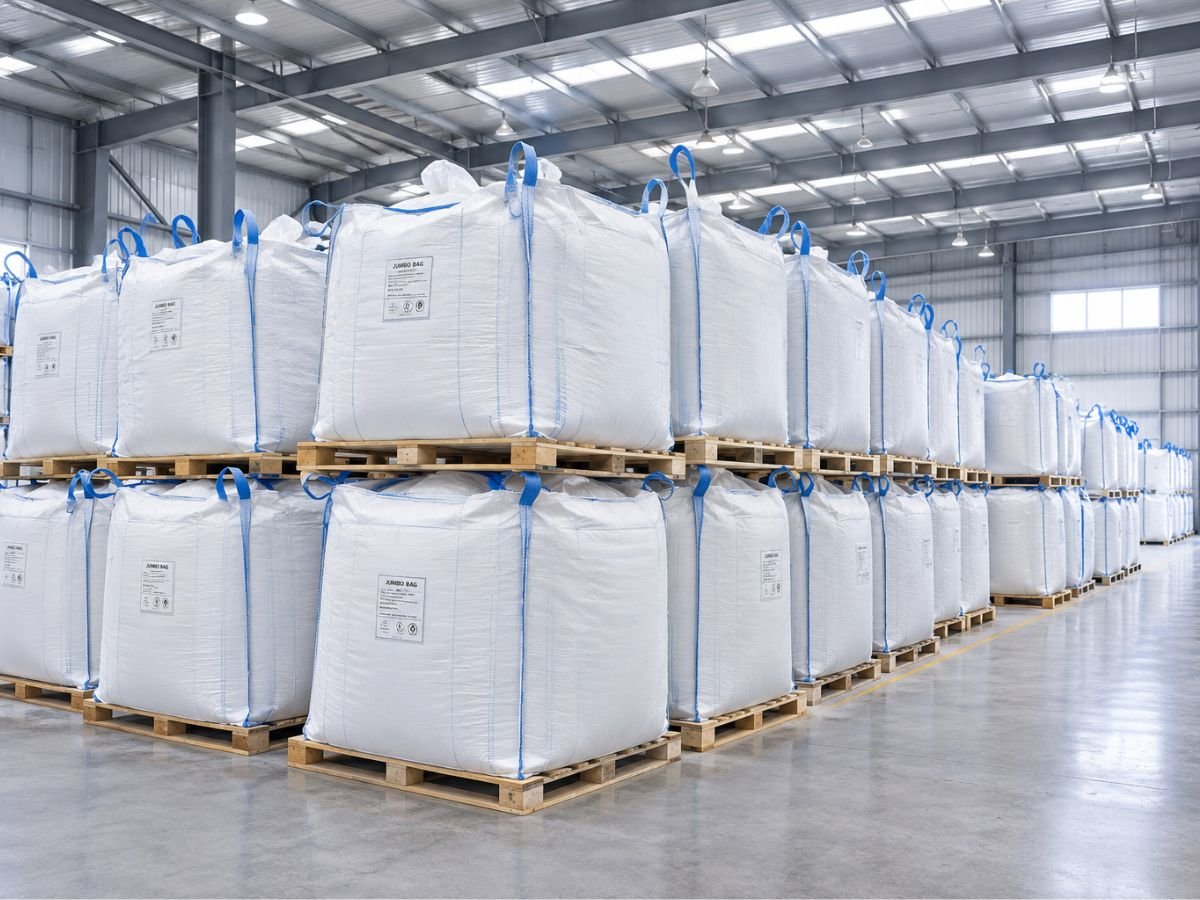


Photos are replaced with real product, packing and plant images as they become available.
07 Support
Customisation and engineering support
- Unit review — send gas analysis, flow and target spec; we work with your equipment supplier on bed loading.
- Grade matching — send the data sheet of the adsorbent you use now; we propose an equivalent grade.
- Complete supply — main adsorbent and drying layer in one shipment, under one COA system.
- Packing — steel drums or jumbo bags, sealed against moisture; samples from 5–10 kg.
08 Related solutions
More renewable gas and carbon capture solutions
09 Recommended products
Products for biogas upgrading
Does biogas need pretreatment?
Yes — remove H₂S, siloxanes and moisture before the CO₂ bed.
How is the bed regenerated?
By pressure or vacuum swing every cycle; thermal reactivation only after water ingress.
Can the same sieve treat landfill gas?
Yes, after pretreatment; landfill gas also contains N₂ and O₂, so share the full analysis.
What purity can be reached?
It depends on unit design and cycle; we match the adsorbent to your equipment supplier’s design.
How does it compare with carbon molecular sieve (CMS)?
CMS separates CO₂ from CH₄ by diffusion speed; this 13X-type sieve separates by equilibrium adsorption and holds more CO₂ per kilogram, but needs a dry, H₂S-free feed.