
Home › Applications › Renewable gas & carbon capture
Industry
Adsorbents for Renewable Gas & Carbon Capture
Core Adsorbent supplies CO₂ adsorbent and methane-enrichment molecular sieves for biogas upgrading, landfill gas treatment, coal-mine methane enrichment and adsorption-based CO₂ capture.
≥ 18 %
Static CO₂ adsorption
405
N₂/CH₄ kinetic selectivity
No heat
Pressure-swing regeneration
15–35 days
Delivery time
01 Overview
How do adsorbents upgrade biogas and capture CO₂?
PSA and VPSA units separate CO₂ or nitrogen from methane without solvents: CO₂ Adsorbent Molecular Sieve removes CO₂ from biogas and landfill gas, while Molecular Sieve for Methane Enrichment removes nitrogen from low-grade methane. The same principle captures CO₂ from dried process and flue gas.
02 Product solutions
Adsorbent solutions for renewable gas and carbon capture
Every solution page tagged to this application appears here automatically.
-
Solution
Adsorbent for CO₂ Capture by VPSA
View solution →: Adsorbent for CO₂ Capture by VPSACore Adsorbent supplies CO₂ adsorbent and 13X molecular sieve for adsorption-based CO₂ capture from dried process and flue gas by VPSA.
-
Solution
Molecular Sieve for Biogas Upgrading
View solution →: Molecular Sieve for Biogas UpgradingCore Adsorbent supplies CO₂ adsorbent molecular sieve for PSA and VPSA biogas upgrading, removing CO₂ so biomethane can meet grid-injection or vehicle-fuel specifications.
-
Solution
Molecular Sieve for Landfill Gas Treatment
View solution →: Molecular Sieve for Landfill Gas TreatmentCore Adsorbent supplies CO₂ adsorbent molecular sieve and activated alumina for upgrading landfill gas to fuel or pipeline quality.
03 Challenges
What makes biogas upgrading difficult?
Four problems that decide methane yield and adsorbent life.

H₂S and siloxanes
They damage adsorbents and engines and must be removed upstream.

Water in the feed
Water is held far more strongly than CO₂.
Methane slip
Methane lost with the tail gas lowers yield and adds emissions.
Variable feed
Digester and landfill gas change in flow and composition.
04 How it works
Biogas upgrading by PSA
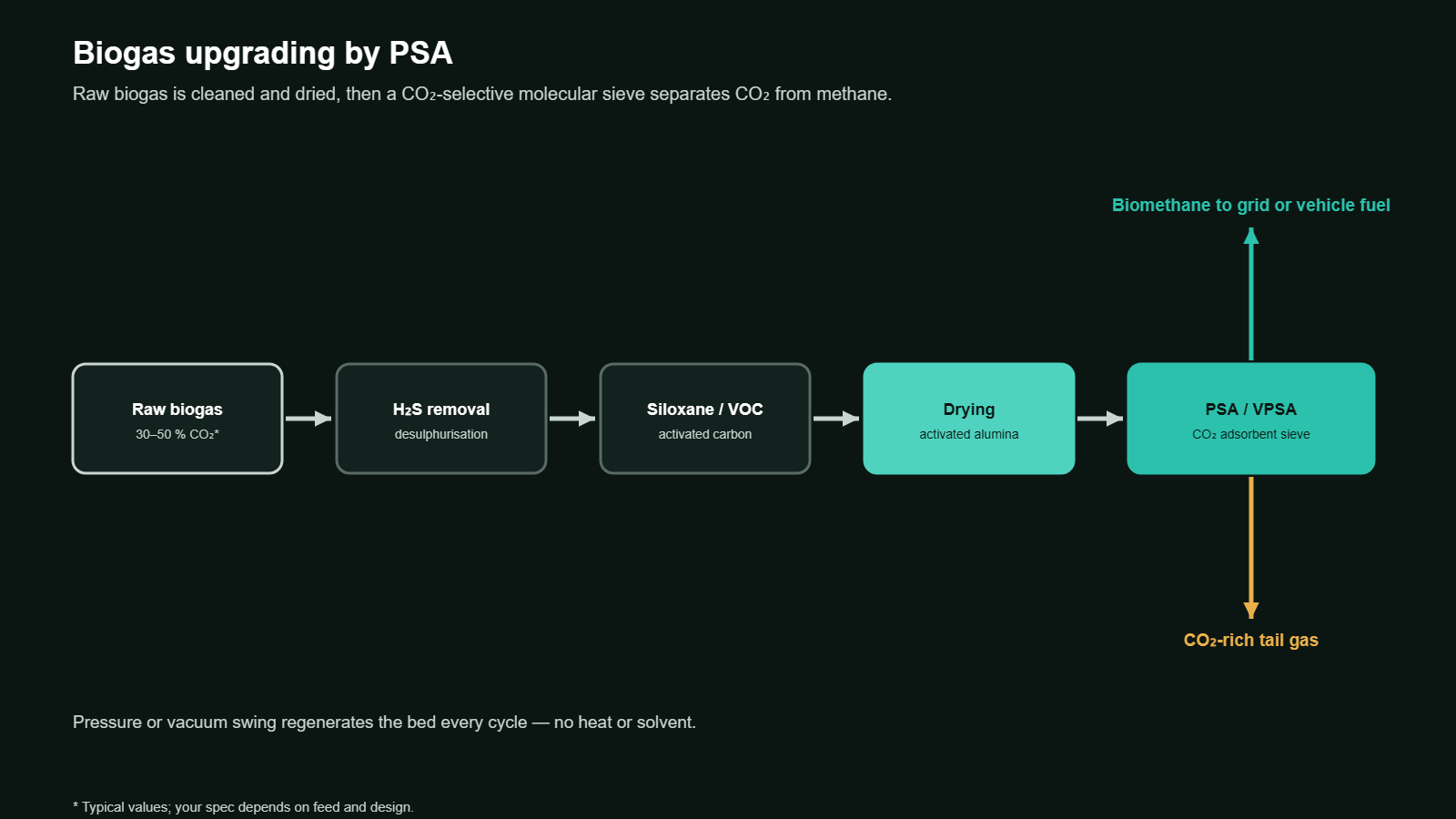
30–50 %
Typical CO₂ content of raw biogas
≥ 18 %
Static CO₂ adsorption at 250 mmHg, 25 °C
405
N₂/CH₄ kinetic selectivity
No heat
Pressure or vacuum swing every cycle
Typical industry values and our product data.
05 Selection guide
Renewable gas adsorbent selection table
Full specifications are on each product page.
| Product | Use | Key figure |
|---|---|---|
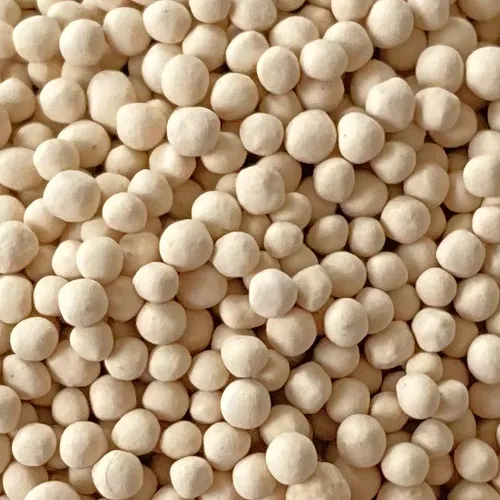
| CO₂ Adsorbent Molecular Sieve | Biogas and landfill gas upgrading; CO₂ capture | Static CO₂ ≥ 18 % |
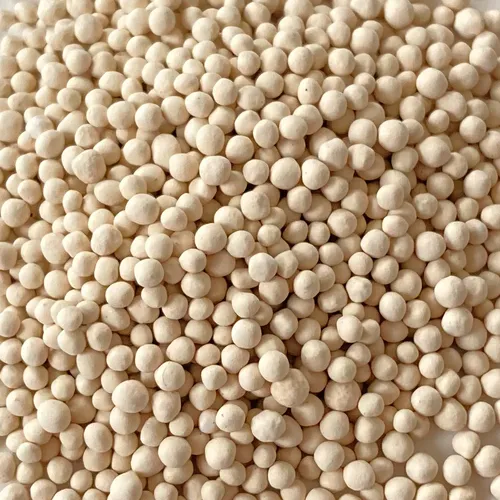
| Molecular Sieve for Methane Enrichment | Coal-mine and low-grade methane | N₂/CH₄ kinetic selectivity 405 |
| 13X Molecular Sieve | CO₂ adsorption; drying | Static CO₂ ≥ 18.5 % |
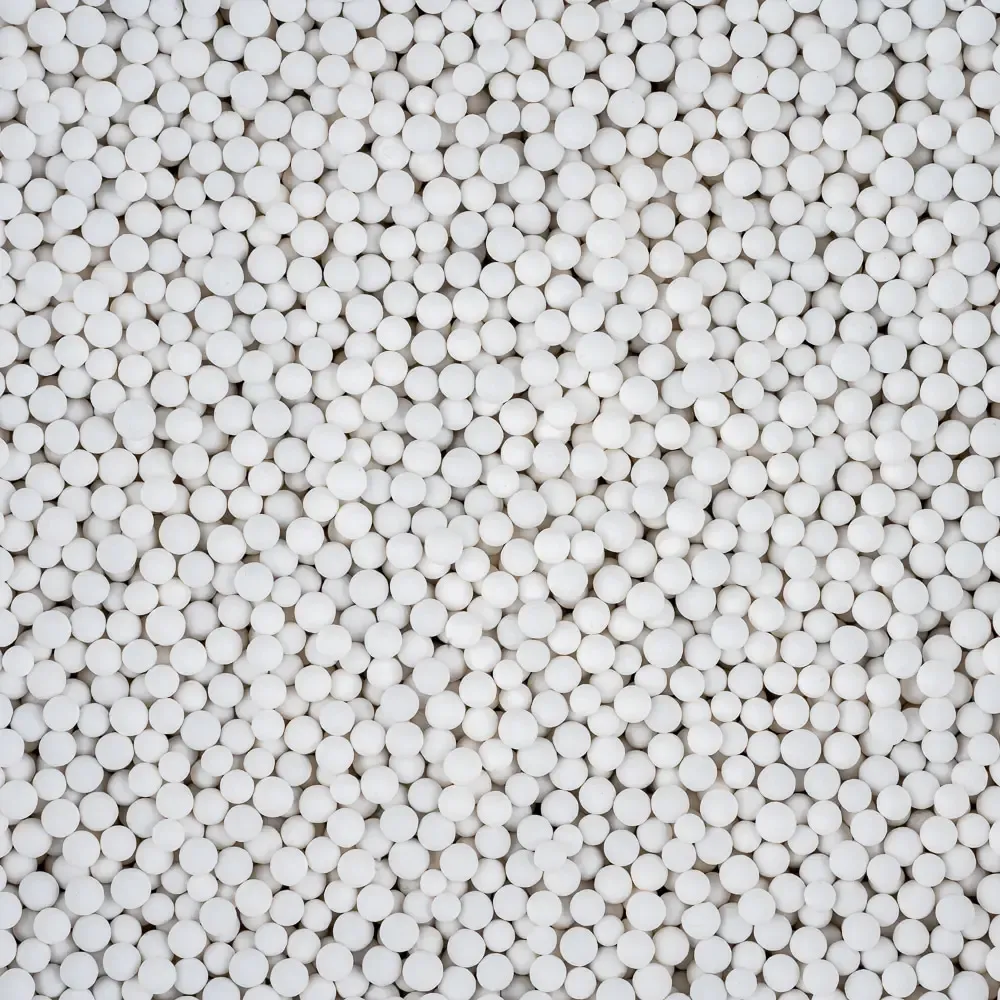
| Activated Alumina Desiccant | Feed drying before PSA | Regenerable |
06 Recommended products
Products used in this industry
07 Case studies
Proven in plants like yours
Cases tagged to this application appear here automatically.
Case studies for this application will be published here.
08 From our plant
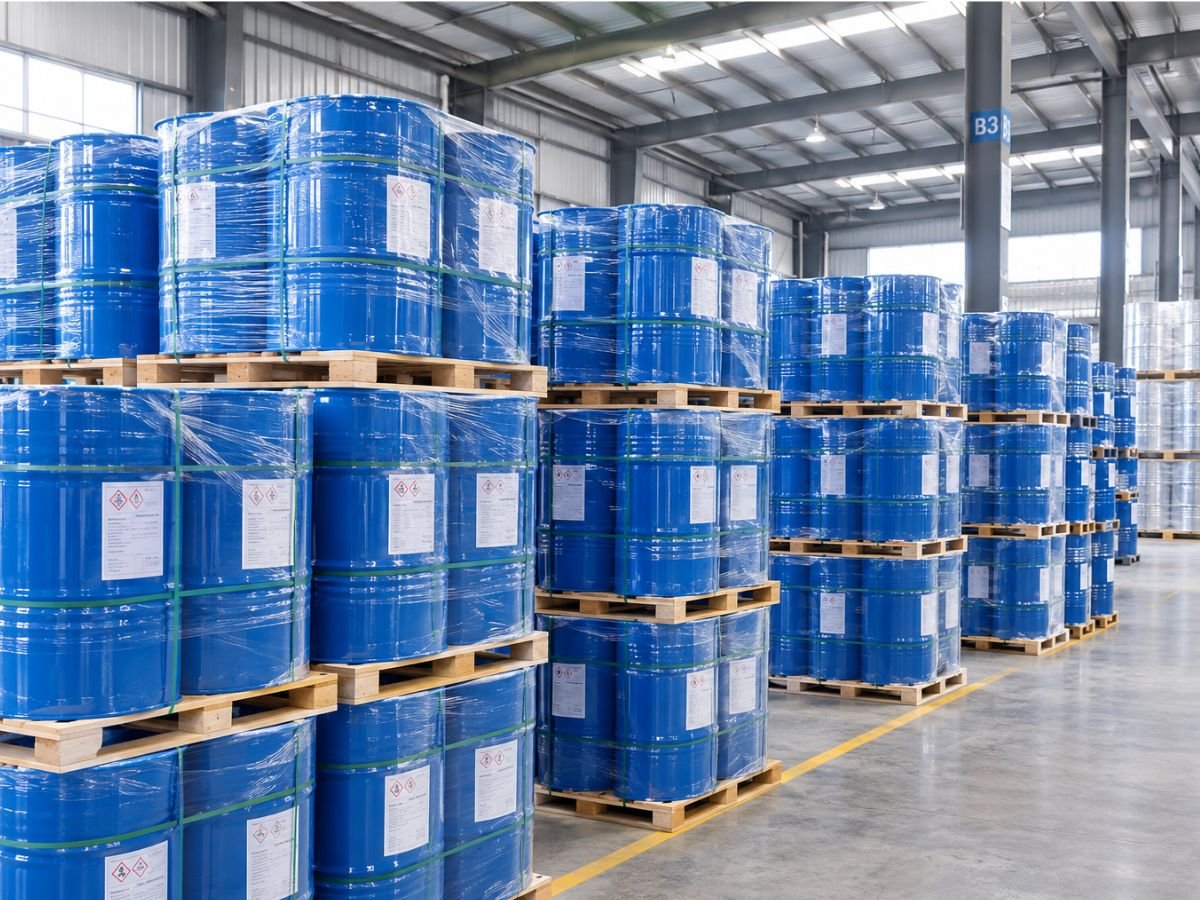
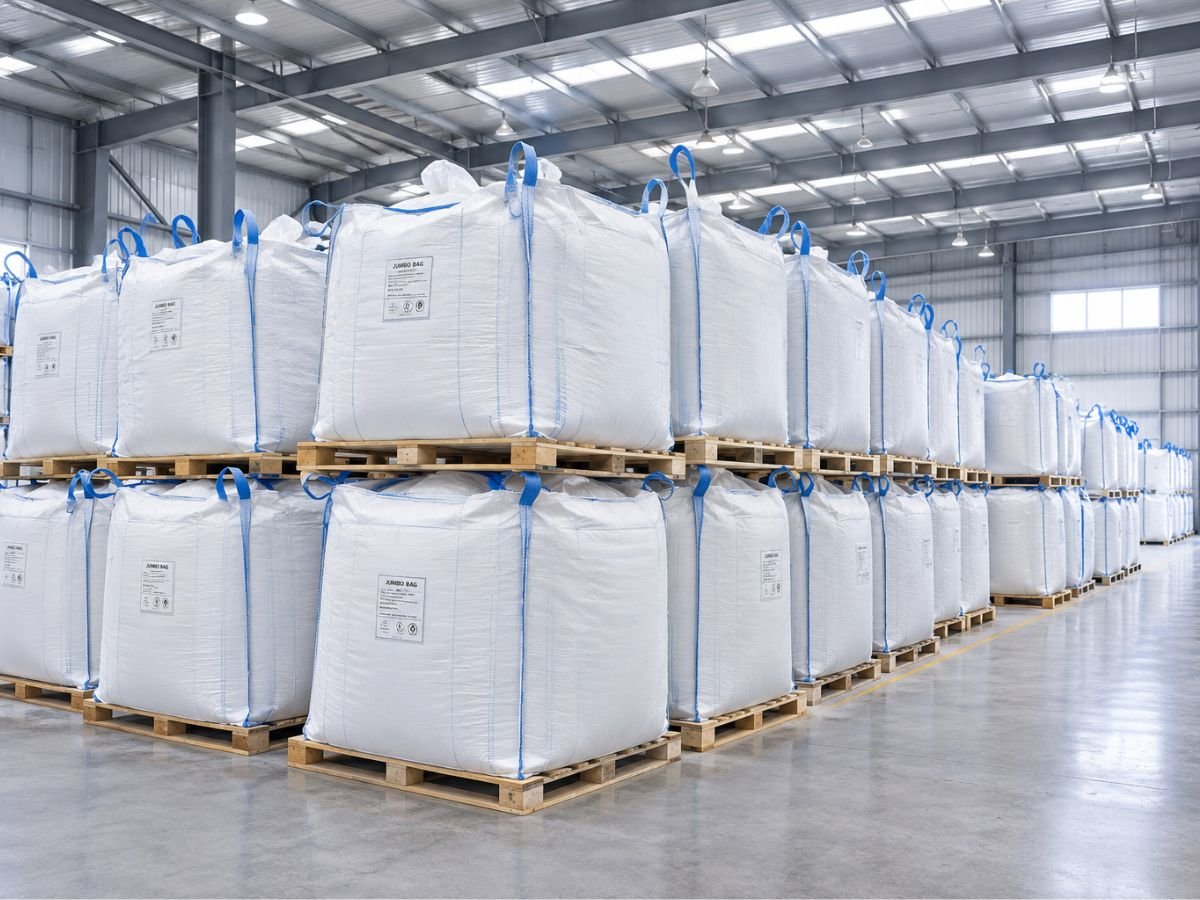
What you receive
The adsorbent, the packing and the plant it ships from.



Does biogas need pretreatment before the CO₂ sieve?
Yes — remove H₂S, siloxanes and moisture upstream.
How does the CO₂ adsorbent regenerate?
By pressure or vacuum swing every cycle; thermal reactivation at 250–300 °C only after water ingress.
Which sieve removes nitrogen from methane?
Molecular Sieve for Methane Enrichment takes up nitrogen far faster than methane in a short PSA cycle.
Can you supply pilot quantities?
Yes, samples from 5–10 kg.