
Home › Applications › Industrial gases › Molecular Sieve for Air Brake Dryers
Molecular Sieve for Air Brake Dryers
Core Adsorbent supplies 4A molecular sieve and activated alumina for air brake dryer cartridges in trucks, buses and rail vehicles.
4A
Main desiccant
Low attrition
For vibration and pressure cycling
15–35 days
Delivery time
1 t
MOQ per grade
01 Overview
Which desiccant is used in air brake dryers?
Air brake dryer cartridges use 4A molecular sieve, often with activated alumina, to dry compressed air before it reaches the brake system. The desiccant must hold low dew points and resist abrasion from vibration and frequent pressure cycling.
| Main desiccant | 4A Molecular Sieve |
| Pre-layer | Activated Alumina Desiccant |
| Regeneration | Purge air, pressure swing |
| Key property | Crush strength and low attrition |
| Packing | Bulk for cartridge makers |
02 Challenges
What fails in air brake dryers?
Vehicles put desiccant through harder conditions than fixed dryers.

Frozen valves
Moisture in brake air freezes in valves and lines in winter.
Oil and contamination
Compressor oil carry-over coats the desiccant and cuts capacity.
Vibration and dust
Road vibration abrades weak beads, producing dust that damages valves.
Short cycles
Frequent loading and purge cycles stress the desiccant.
03 Solutions
Recommended desiccants for brake air
01
Truck and bus cartridges
Typical requirement: reliable drying under vibration
- 4A Molecular Sieve — main drying layer
- Activated Alumina Desiccant — inlet layer for bulk water
02
Rail vehicles
Typical requirement: large air volumes, long service
- 4A Molecular Sieve — deep drying
- Activated Alumina Desiccant — oil-tolerant pre-layer
03
Cartridge manufacturers
Typical requirement: consistent bulk supply
- 4A Molecular Sieve — beads in your specified size
- Activated Alumina Desiccant — matched pre-layer
04 Selection guide
Brake dryer desiccant selection
Full specifications are on each product page.
| Product | Use | Key figure |
|---|---|---|
| 4A Molecular Sieve | Main drying layer | Static H₂O ≥ 22.5 % |
| Activated Alumina Desiccant | Bulk water and oil-tolerant layer | Regenerable |
| 3A Molecular Sieve | Alternative where co-adsorption must be limited | 3 Å pore |
05 Key properties
4A data for brake dryers
≥ 22.5 %
Static water adsorption (RH 75 %, 25 °C)
4 Å
Pore that admits water
Low attrition
For vibration and pressure cycling
COA
Lot test report with every shipment
Dew point targets depend on vehicle and climate. Full data: 4A Molecular Sieve, Activated Alumina Desiccant.
06 From our plant
What you receive
The adsorbent, the packing and the plant it ships from.
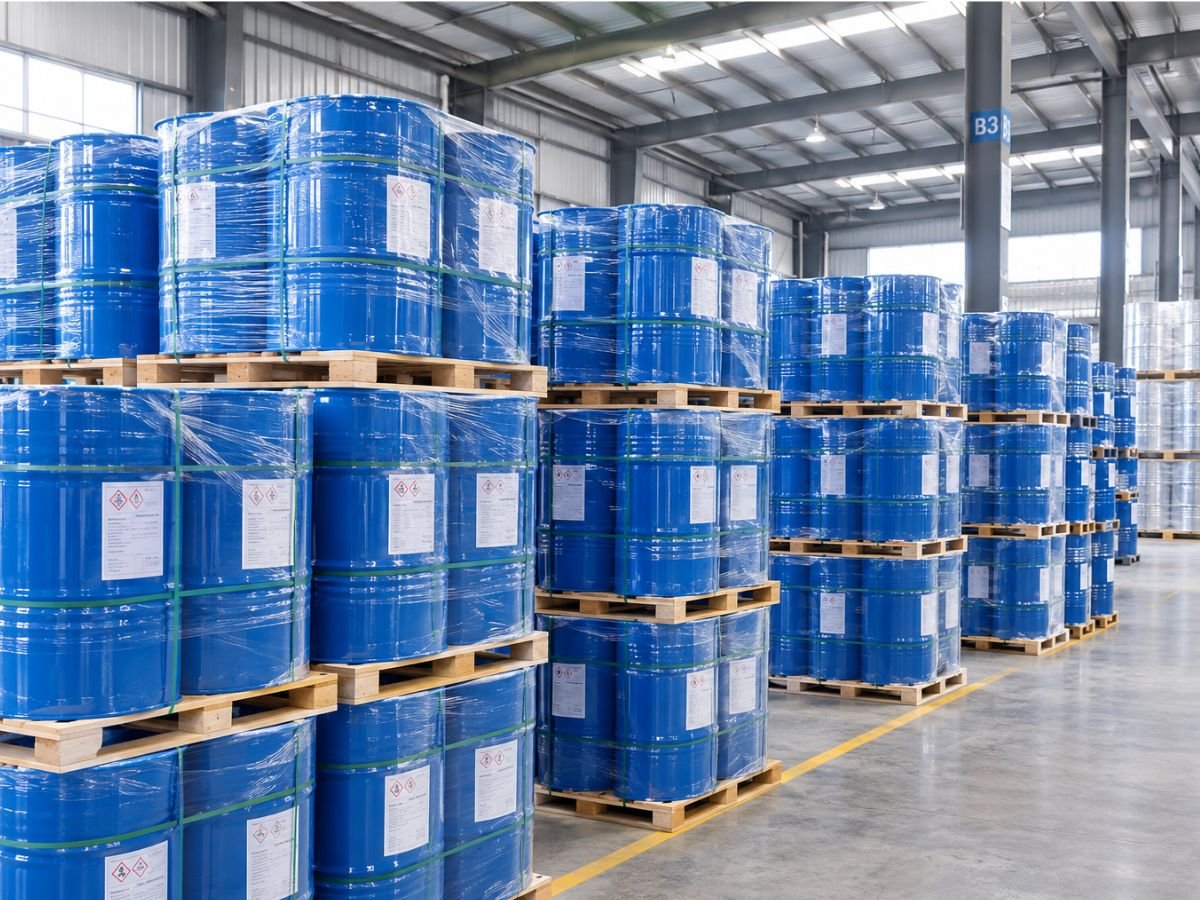
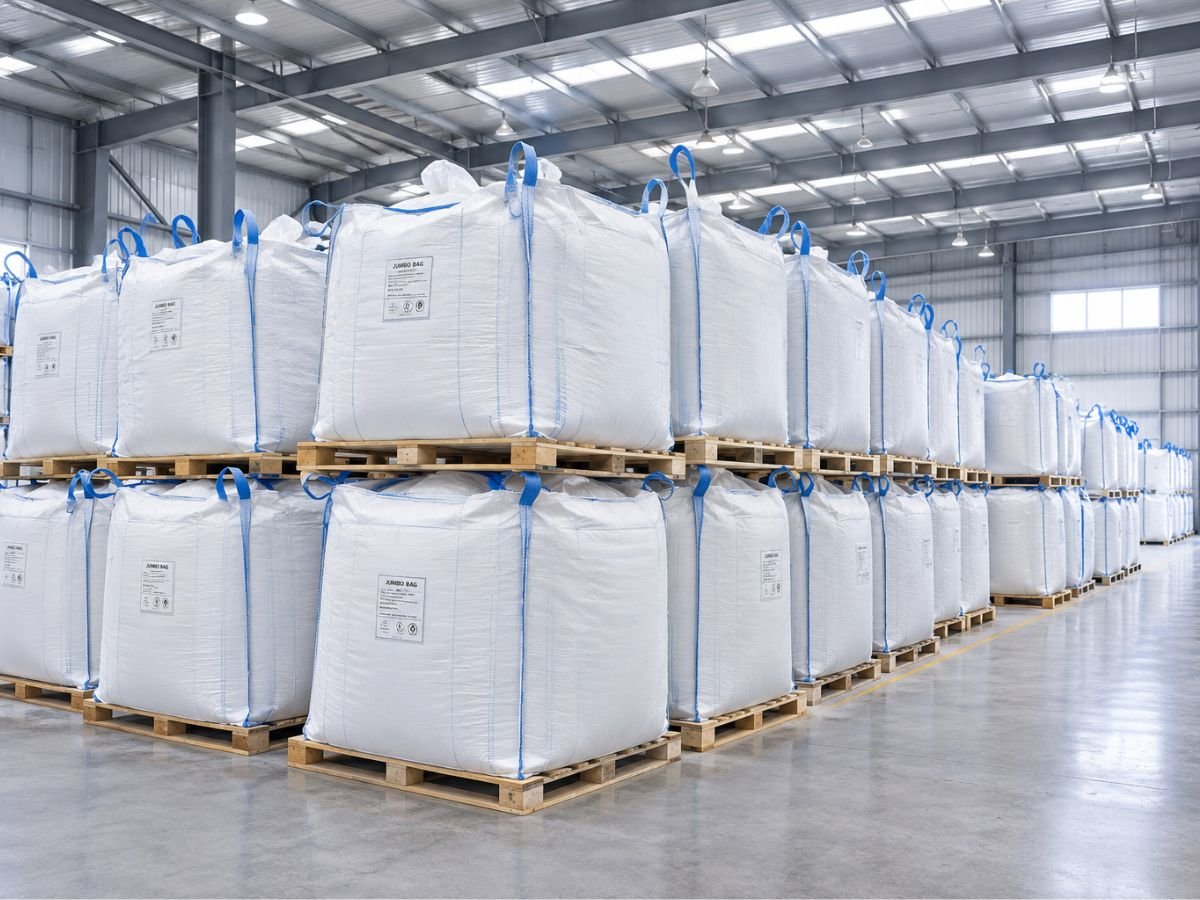

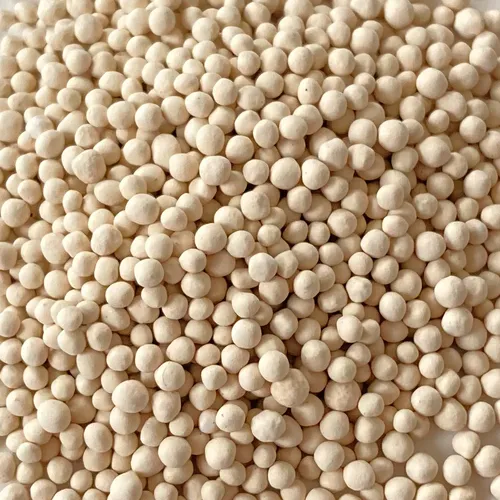
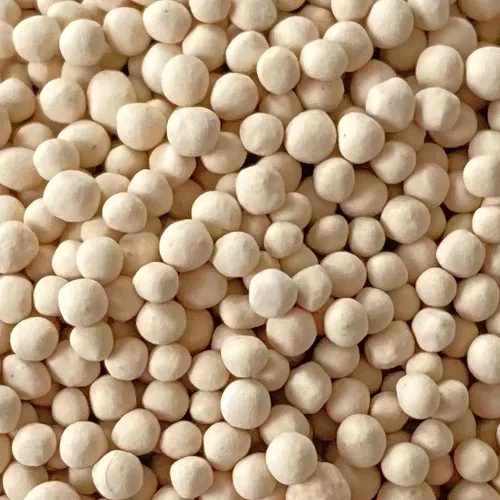
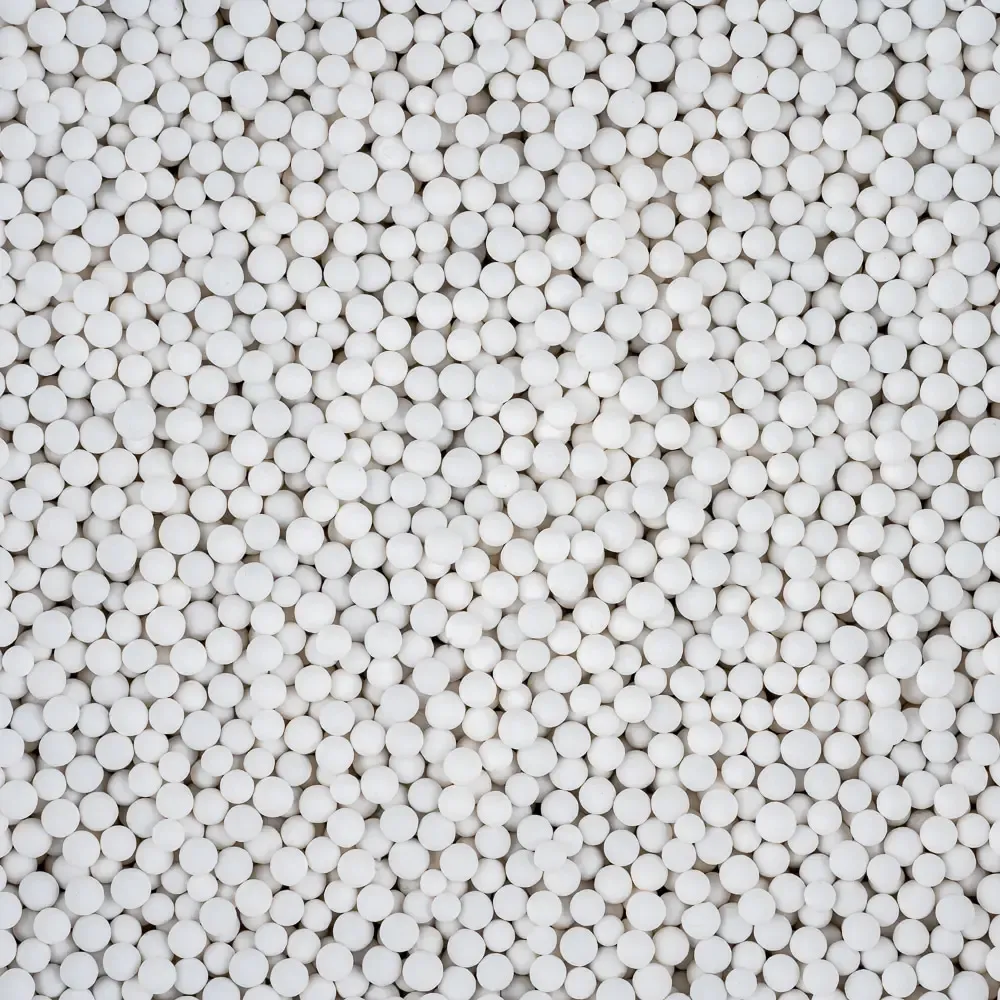
Photos are replaced with real product, packing and plant images as they become available.
07 Support
Customisation and engineering support
- Cartridge supply — send your cartridge drawing and fill weight; we supply the matching bead size in bulk.
- Grade matching — send the data sheet of the adsorbent you use now; we propose an equivalent grade.
- Complete bed supply — main adsorbent, guard layer and ceramic balls in one shipment, under one COA system.
- Packing — steel drums or jumbo bags, sealed against moisture; samples from 5–10 kg.
08 Related solutions
More industrial gases solutions
09 Recommended products
Products for air brake dryers
Why 4A for brake dryers?
4A Molecular Sieve reaches low dew points and regenerates by purge air every cycle.
Should the cartridge include activated alumina?
A pre-layer of Activated Alumina Desiccant takes bulk water and is more tolerant of oil carry-over.
Can you supply cartridge makers in bulk?
Yes, in drums or jumbo bags with lot COAs.
Which bead size is used?
Typically Ø 1.6–2.5 mm or Ø 3.0–5.0 mm depending on cartridge design.