
Home › Applications › Industrial gases › Molecular Sieve for N₂O Removal in Air Separation
Molecular Sieve for N₂O Removal in Air Separation
Core Adsorbent supplies CaX molecular sieve as an added layer in air pre-purification units, removing N₂O and trace hydrocarbons that standard 13X lets through.
CaX
N₂O removal layer
≥ 18.0 ml/g
Static N₂ adsorption
15–35 days
Delivery time
1 t
MOQ per grade
01 Overview
Which molecular sieve removes N₂O in air pre-purification?
CaX (calcium-exchanged X) molecular sieve is added above the 13X APG layer in a pre-purification unit. Its calcium sites hold N₂O and trace hydrocarbons that pass a standard 13X layer, reducing the risk of these compounds accumulating in the cold box.
| N₂O layer | CaX Molecular Sieve |
| CO₂ and water | 13X APG Molecular Sieve |
| Inlet water | Activated Alumina Desiccant |
| Regeneration | Heated waste nitrogen |
| Static N₂ adsorption | ≥ 18.0 ml/g (760 mmHg, 25 °C) |
02 Challenges
Why does N₂O matter in air separation?
Trace components that pass the pre-purifier collect in the coldest sections.

N₂O slip
N₂O is weakly held by 13X and breaks through before CO₂.

Accumulation
N₂O and hydrocarbons concentrate in the reboiler and can deposit as solids.
Safety margin
Hydrocarbon accumulation in liquid oxygen is a known safety concern.
Retrofits
Existing pre-purifiers must add capacity without new vessels.
03 Solutions
Recommended layers for N₂O control
01
New pre-purifiers
Typical requirement: design for CO₂, water and N₂O removal
- Activated Alumina Desiccant — inlet water layer
- 13X APG Molecular Sieve — CO₂ layer
- CaX Molecular Sieve — N₂O and hydrocarbon layer
02
Retrofit of existing units
Typical requirement: add N₂O removal within the existing vessel
- CaX Molecular Sieve — replaces part of the 13X layer
- 13X APG Molecular Sieve — remaining CO₂ layer
03
Hydrocarbon control
Typical requirement: reduce trace hydrocarbons reaching the cold box
- CaX Molecular Sieve — adsorbs trace hydrocarbons
04 Bed configuration
Typical pre-purifier bed with N₂O layer
Air flows upward; layer heights depend on air quality and cycle.
| Layer (top to bottom) | Product | Function |
|---|---|---|
| Top | CaX Molecular Sieve | N₂O and trace hydrocarbons |
| Middle | 13X APG Molecular Sieve | CO₂ and remaining water |
| Bottom | Activated Alumina Desiccant | Bulk water removal |
05 Key properties
CaX data for pre-purifiers
≥ 18.0 ml/g
Static N₂ adsorption (760 mmHg, 25 °C)
Ca-X
Calcium-exchanged X framework
Upflow
Typical adsorption direction
COA
Lot test report with every shipment
Product data from our specifications; layer design depends on air quality and cycle. Full data: CaX Molecular Sieve.
06 From our plant
What you receive
The adsorbent, the packing and the plant it ships from.
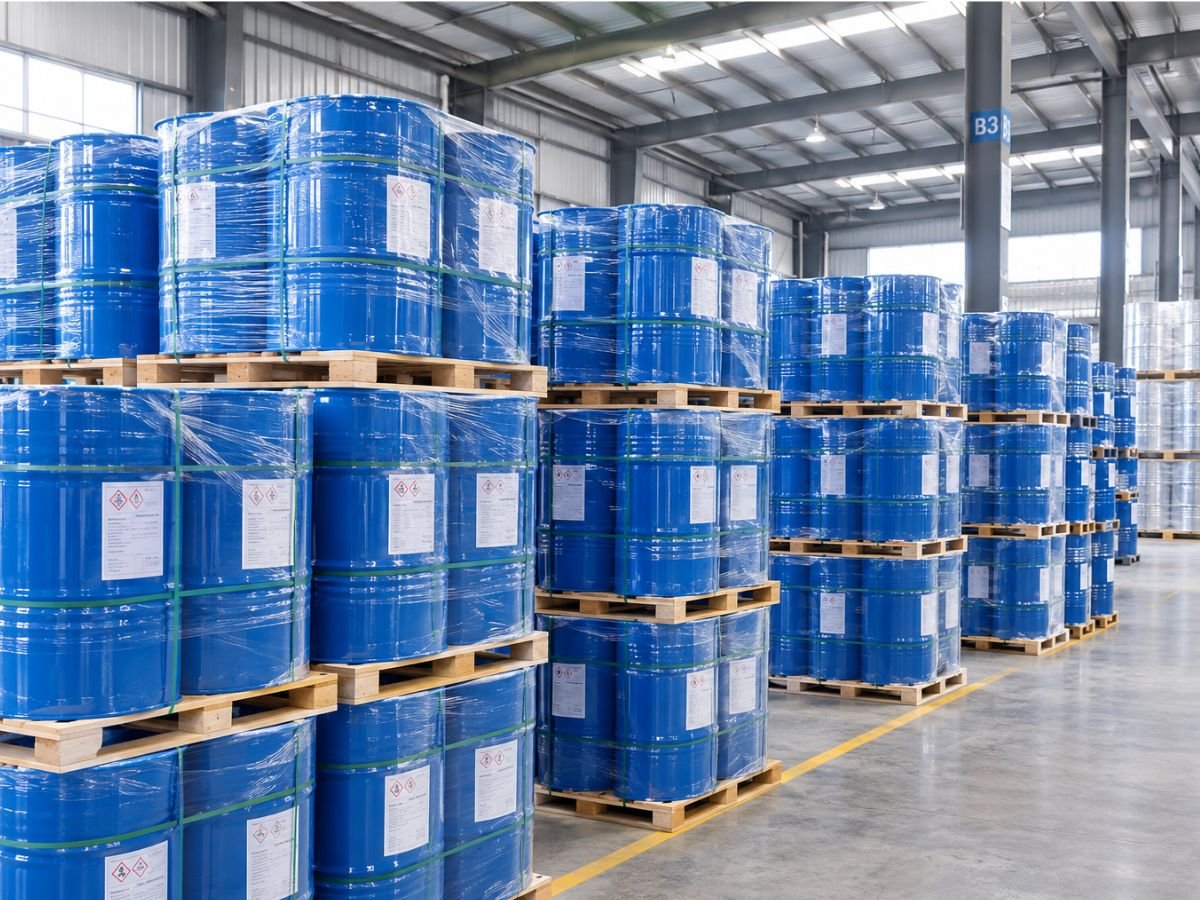
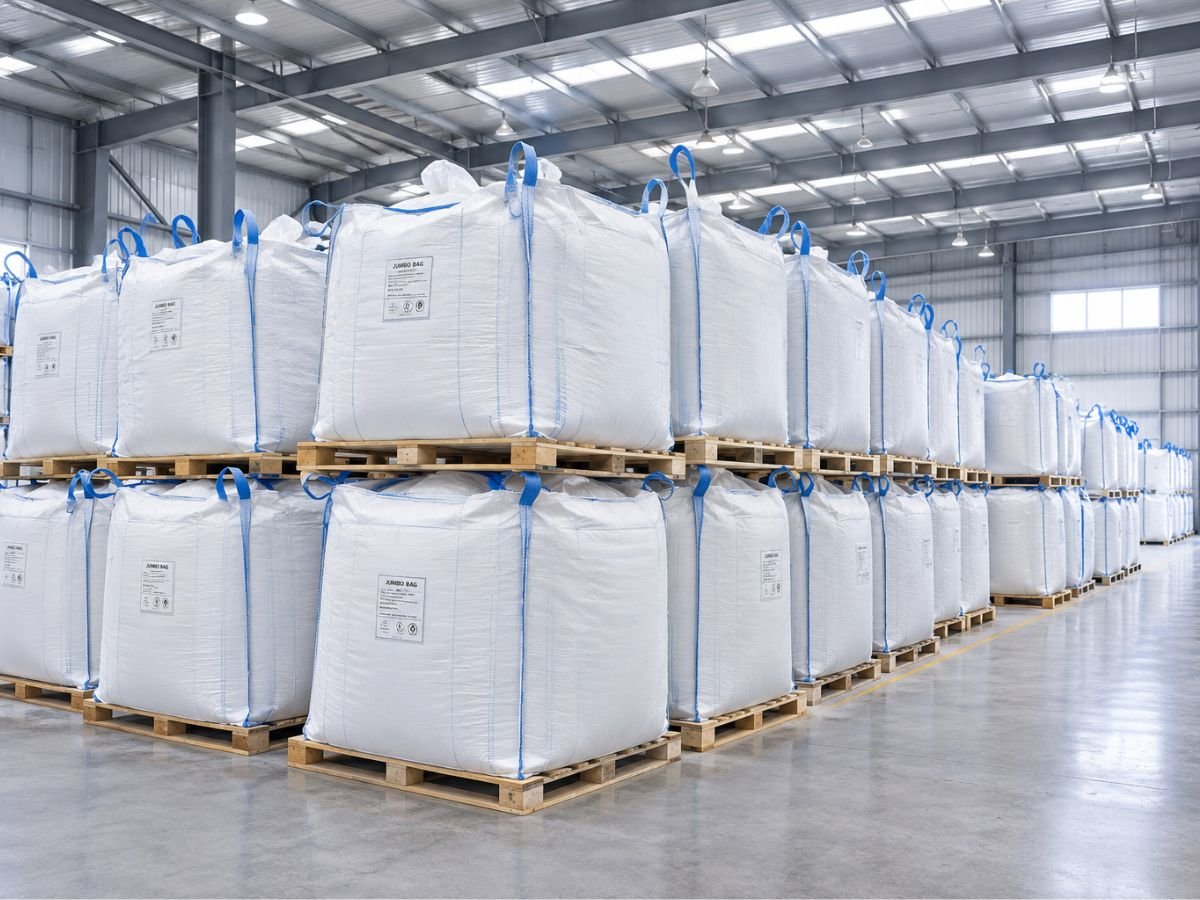

Photos are replaced with real product, packing and plant images as they become available.
07 Support
Customisation and engineering support
- Retrofit proposal — send your current bed design and cycle; we propose the CaX layer height.
- Grade matching — send the data sheet of the adsorbent you use now; we propose an equivalent grade.
- Complete bed supply — main adsorbent, guard layer and ceramic balls in one shipment, under one COA system.
- Packing — steel drums or jumbo bags, sealed against moisture; samples from 5–10 kg.
08 Related solutions
More industrial gases solutions
09 Recommended products
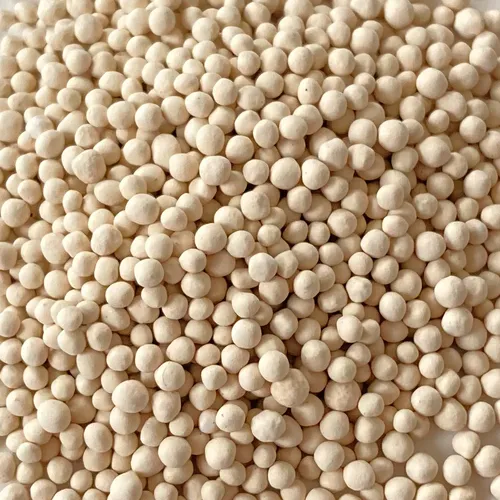
Products for N₂O removal in air separation
10 FAQ
Molecular Sieve for N₂O Removal in Air Separation FAQ
Can’t find your answer? Ask our sales engineer.
Why not just add more 13X?
13X holds N₂O weakly; adding CaX targets N₂O directly without enlarging the vessel.
Where is the CaX layer placed?
Above the 13X APG layer, at the outlet end of an upflow adsorber.
Does CaX change regeneration?
It regenerates with the same heated waste nitrogen; confirm temperatures with your process licensor.
Can you supply all three layers?
Yes — Activated Alumina Desiccant, 13X APG Molecular Sieve and CaX Molecular Sieve together.