
Home › Applications › Refining & petrochemicals › Molecular Sieve for Ethanol Dehydration
Molecular Sieve for Ethanol Dehydration
Core Adsorbent supplies 3A molecular sieve for dehydrating ethanol beyond the azeotrope to fuel-grade and anhydrous specifications in PSA and TSA units.
3A
Main dehydration grade
≈ 95 %
Azeotrope limit of distillation
15–35 days
Delivery time
1 t
MOQ per grade
01 Overview
Why is 3A molecular sieve used for ethanol dehydration?
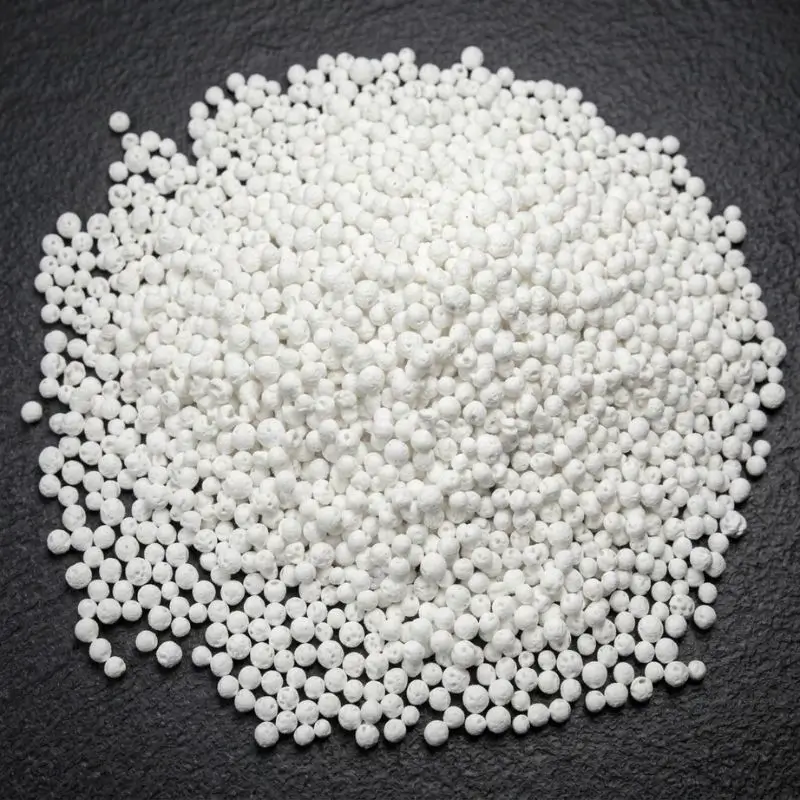
Distillation stops at the ethanol–water azeotrope of about 95 % ethanol. 3A molecular sieve removes the remaining water because water enters its 3 Å pores while ethanol is excluded, so ethanol is not co-adsorbed and the product reaches fuel-grade purity.
| Main grade | 3A Molecular Sieve |
| Process | Vapour-phase PSA or liquid-phase TSA |
| Why 3A | Excludes ethanol, admits water |
| Feed | Near-azeotropic ethanol |
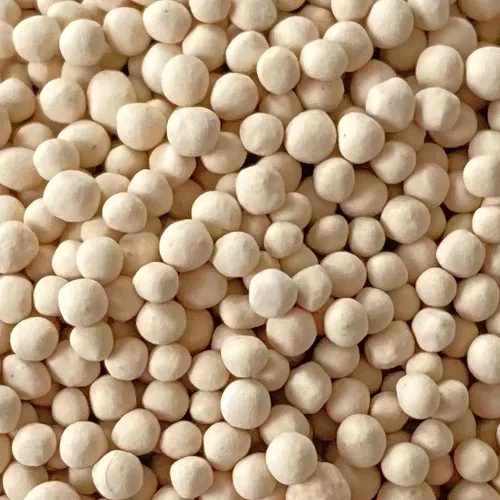
| Support | Inert Alumina Ceramic Ball |
02 Challenges
What limits ethanol dehydration?
Four issues that set yield, energy use and bed life.

The azeotrope
Distillation alone cannot pass about 95 % ethanol.

Co-adsorption
A larger-pore sieve would adsorb ethanol and lose product.
Bead strength
Frequent pressure swings wear beads and create fines.
Contaminants
Fusel oils and acids from fermentation shorten bed life.
03 Solutions
Recommended grades for ethanol plants
01
Fuel ethanol plants
Typical requirement: reach fuel-grade ethanol from azeotropic feed
- 3A Molecular Sieve — main dehydration layer
- Inert Alumina Ceramic Ball — support and hold-down
02
Pharmaceutical and solvent ethanol
Typical requirement: anhydrous ethanol for chemical use
- 3A Molecular Sieve — deep drying without co-adsorption
03
Other alcohols and solvents
Typical requirement: dry small polar solvents
- 3A Molecular Sieve — excludes molecules larger than water
- 4A Molecular Sieve — where the solvent is too large for 4 Å pores
04 Selection guide
Ethanol dehydration adsorbent selection
Full specifications are on each product page.
| Product | Use | Key figure |
|---|---|---|
| 3A Molecular Sieve | Ethanol and methanol dehydration | 3 Å pore, static H₂O ≥ 21.5 % |
| 4A Molecular Sieve | Drying solvents too large for 4 Å | Static H₂O ≥ 22.5 % |
| Inert Alumina Ceramic Ball | Bed support | 17–99 % Al₂O₃ |
05 Key properties
3A data for ethanol units
3 Å
Pore that excludes ethanol
≥ 21.5 %
Static water adsorption
≈ 95 %
Azeotrope limit the sieve overcomes
COA
Lot test report with every shipment
Product data from our specifications; azeotrope value is general chemistry. Full data: 3A Molecular Sieve.
06 From our plant
What you receive
The adsorbent, the packing and the plant it ships from.
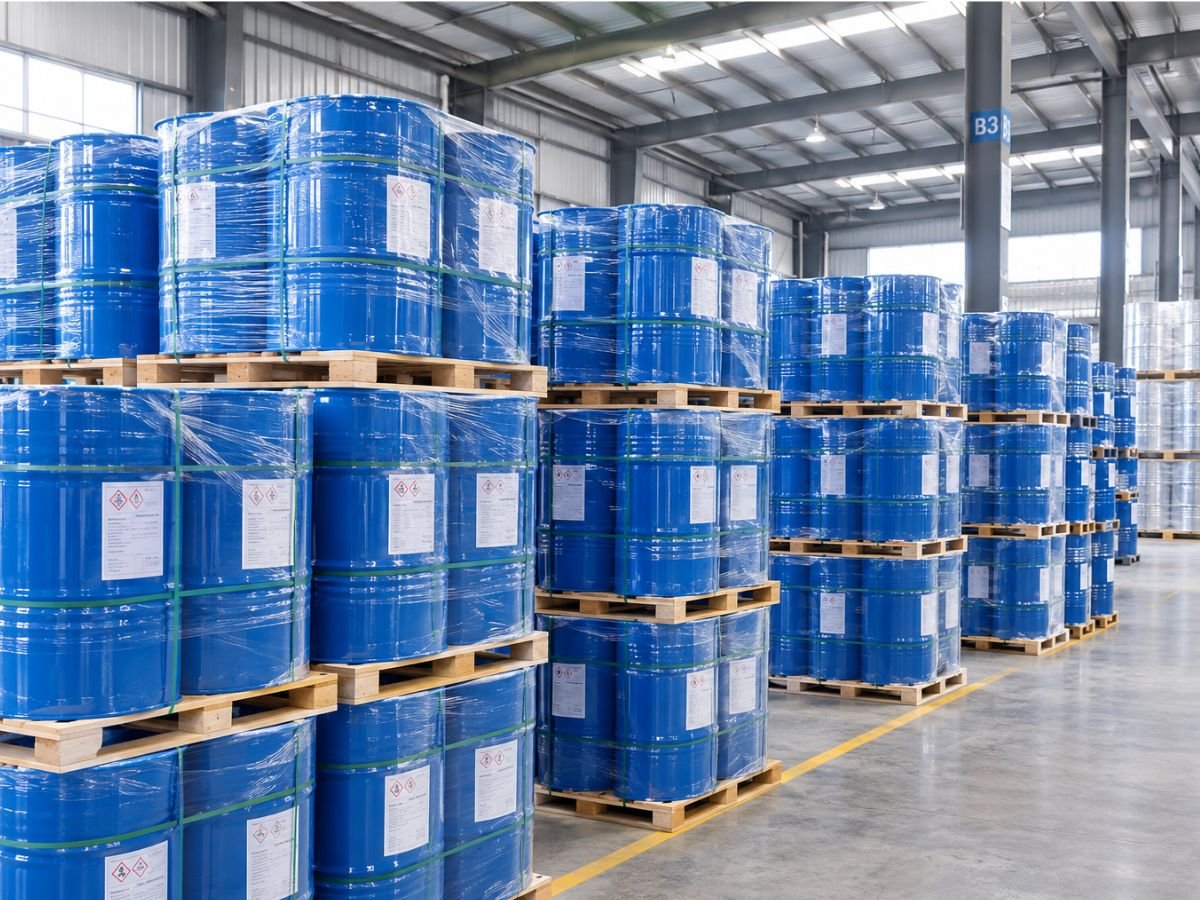
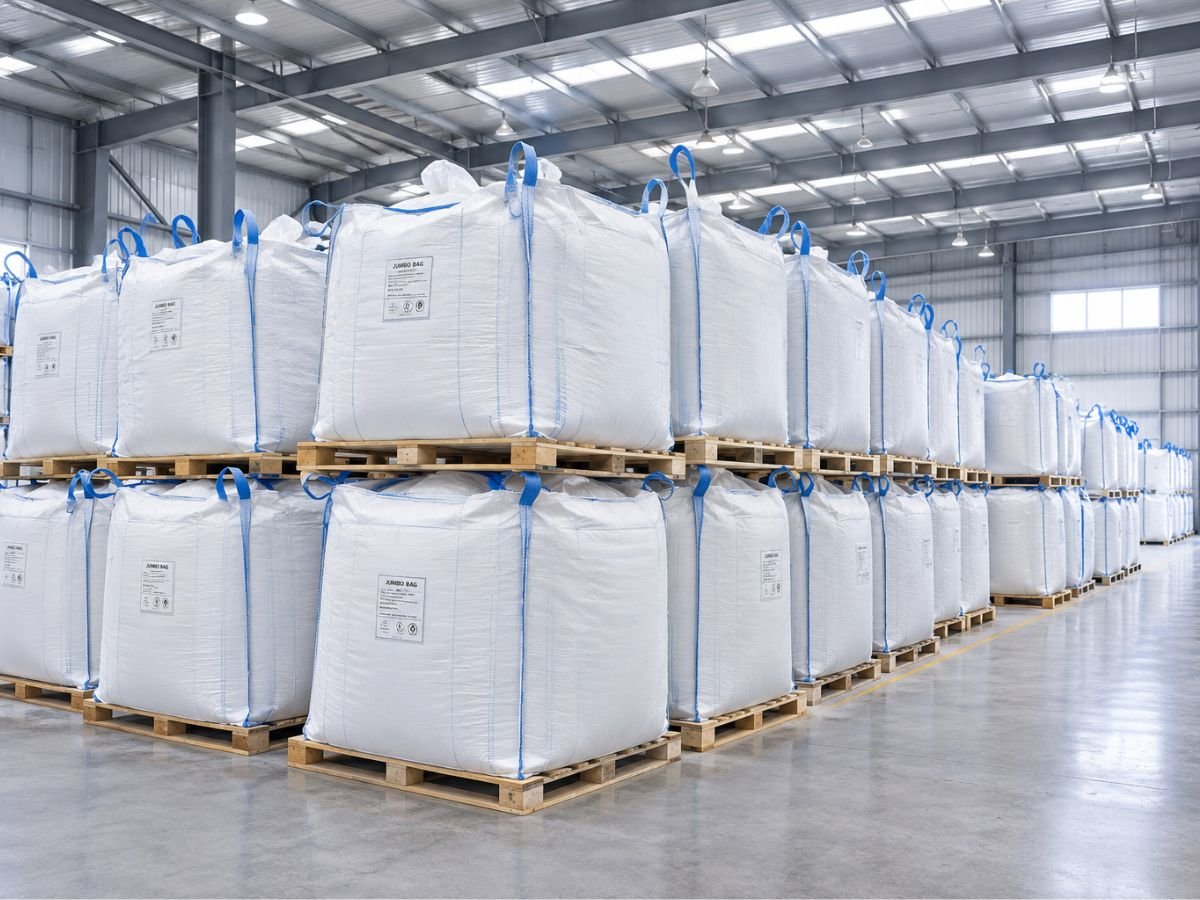

Photos are replaced with real product, packing and plant images as they become available.
07 Support
Customisation and engineering support
- Unit support — send feed composition, flow and cycle; we propose bead size and bed loading.
- Grade matching — send the data sheet of the adsorbent you use now; we propose an equivalent grade.
- Complete bed supply — main adsorbent, guard layer and ceramic balls in one shipment, under one COA system.
- Packing — steel drums or jumbo bags, sealed against moisture; samples from 5–10 kg.
08 Related solutions
More refining and petrochemicals solutions
09 Recommended products
Products for ethanol dehydration
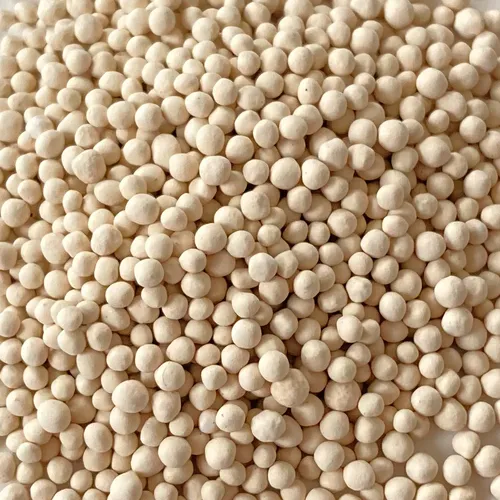
Why not use 4A for ethanol?
Ethanol can enter 4A pores and be co-adsorbed; 3A Molecular Sieve excludes it.
Can 3A dry methanol?
Yes, 3A Molecular Sieve is also used for methanol and other small alcohols.
What bead size is used?
Typically Ø 2.5–5.0 mm for vapour-phase PSA beds; confirm with your unit design.
How long does the sieve last?
It depends on cycling and feed impurities; share operating data for an estimate.