
Home › Applications › Refining & petrochemicals › Molecular Sieve for Olefin and Cracked Gas Drying
Molecular Sieve for Olefin and Cracked Gas Drying
Core Adsorbent supplies 3A molecular sieve for drying cracked gas, ethylene and propylene without co-adsorbing the olefins.
3A
Main drying grade
No co-adsorption
Olefins excluded
15–35 days
Delivery time
1 t
MOQ per grade
01 Overview
Which molecular sieve dries cracked gas and olefins?
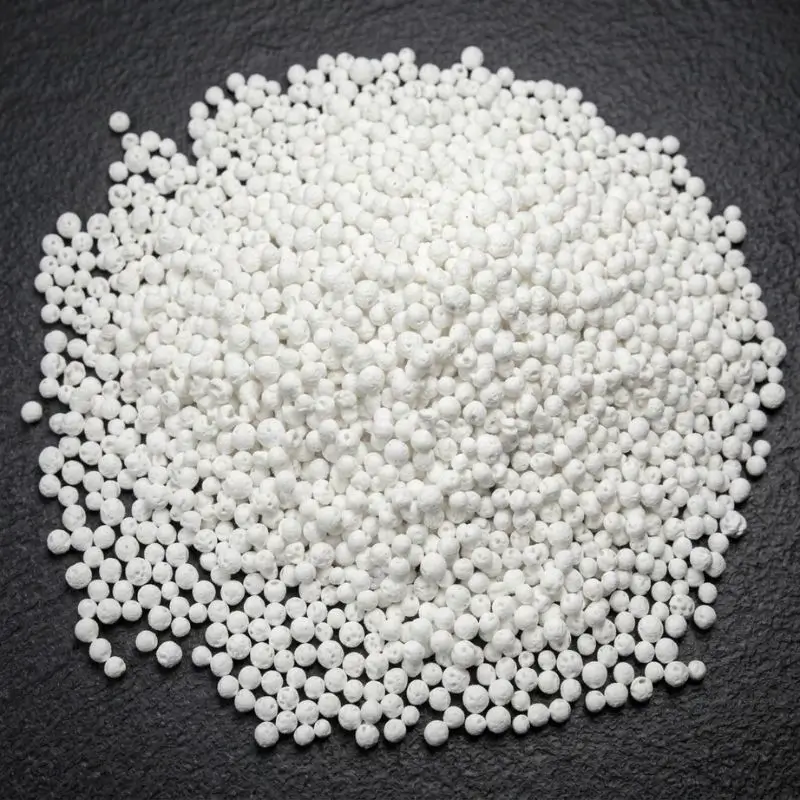
Cracked gas, ethylene and propylene are dried with 3A molecular sieve. Its 3 Å pore admits water but excludes the olefins, so the product is not co-adsorbed and polymer or coke formation during regeneration is reduced compared with 4A or 13X.
| Main grade | 3A Molecular Sieve |
| Streams | Cracked gas, ethylene, propylene, butadiene feeds |
| Why 3A | Excludes olefins, admits water |
| Regeneration | Temperature swing |
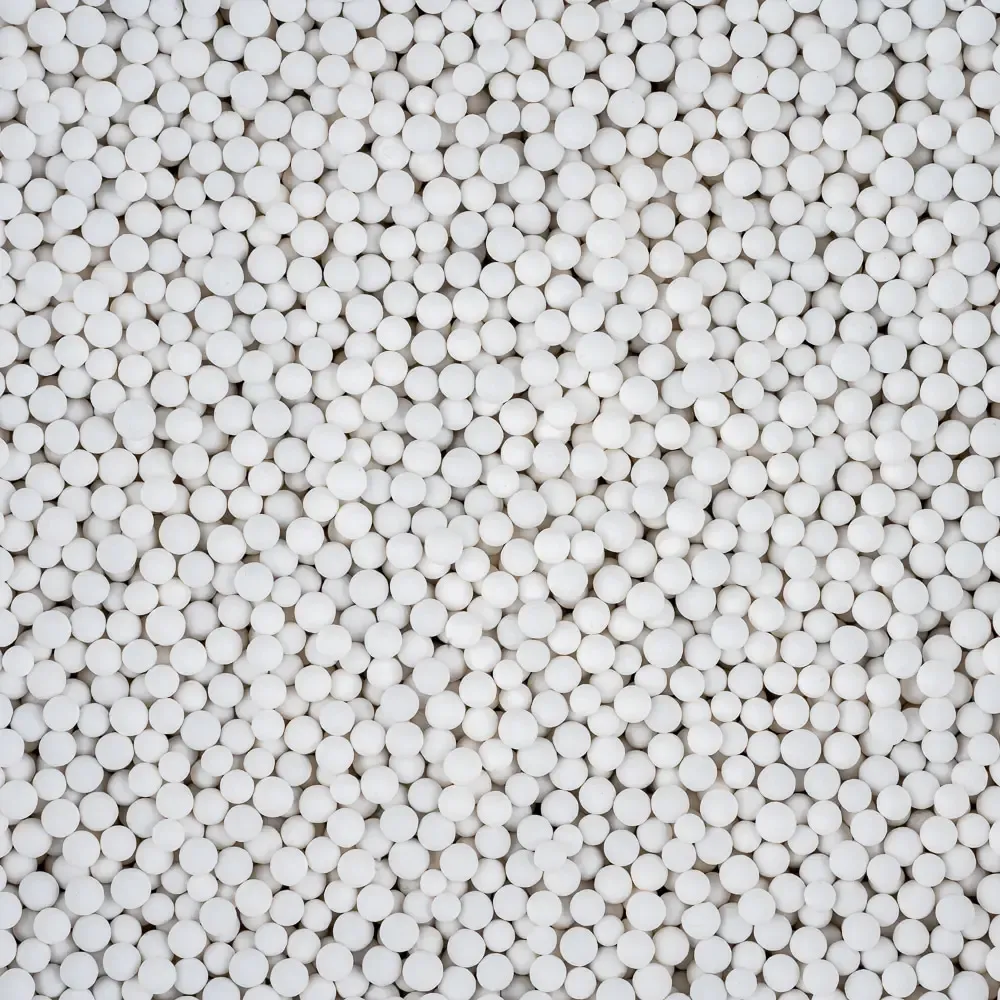
| Support | Inert Alumina Ceramic Ball |
02 Challenges
What goes wrong when drying olefins?
Reactive products need a selective drying sieve.

Polymer and coke
Olefins co-adsorbed on larger-pore sieves polymerise when the bed is heated.

Capacity loss
Coke blocks pores and cuts water capacity cycle by cycle.
Cold-section freezing
Wet gas freezes in the cold section of the cracker.
Short cycles
Losing capacity forces more frequent regeneration.
03 Solutions
Recommended grades for olefin service
01
Cracked gas dryers
Typical requirement: dry before the cold section
- 3A Molecular Sieve — excludes ethylene and propylene
- Inert Alumina Ceramic Ball — support and hold-down
02
Ethylene and propylene product dryers
Typical requirement: meet product water spec
- 3A Molecular Sieve — selective drying
03
Liquid olefin streams
Typical requirement: dry liquid feeds
- 3A Molecular Sieve — liquid-phase drying
- Activated Alumina Desiccant — inlet guard
04 Selection guide
Olefin drying adsorbent selection
Full specifications are on each product page.
| Product | Use | Key figure |
|---|---|---|
| 3A Molecular Sieve | Cracked gas and olefin drying | 3 Å pore |
| Activated Alumina Desiccant | Inlet guard | Regenerable |
| Inert Alumina Ceramic Ball | Support and hold-down | 17–99 % Al₂O₃ |
05 Key properties
3A data for olefin dryers
3 Å
Excludes ethylene and propylene
≥ 21.5 %
Static water adsorption
Lower coke
Less co-adsorbed product to polymerise
COA
Lot test report with every shipment
Product data from our specifications. Full data: 3A Molecular Sieve.
06 From our plant
What you receive
The adsorbent, the packing and the plant it ships from.
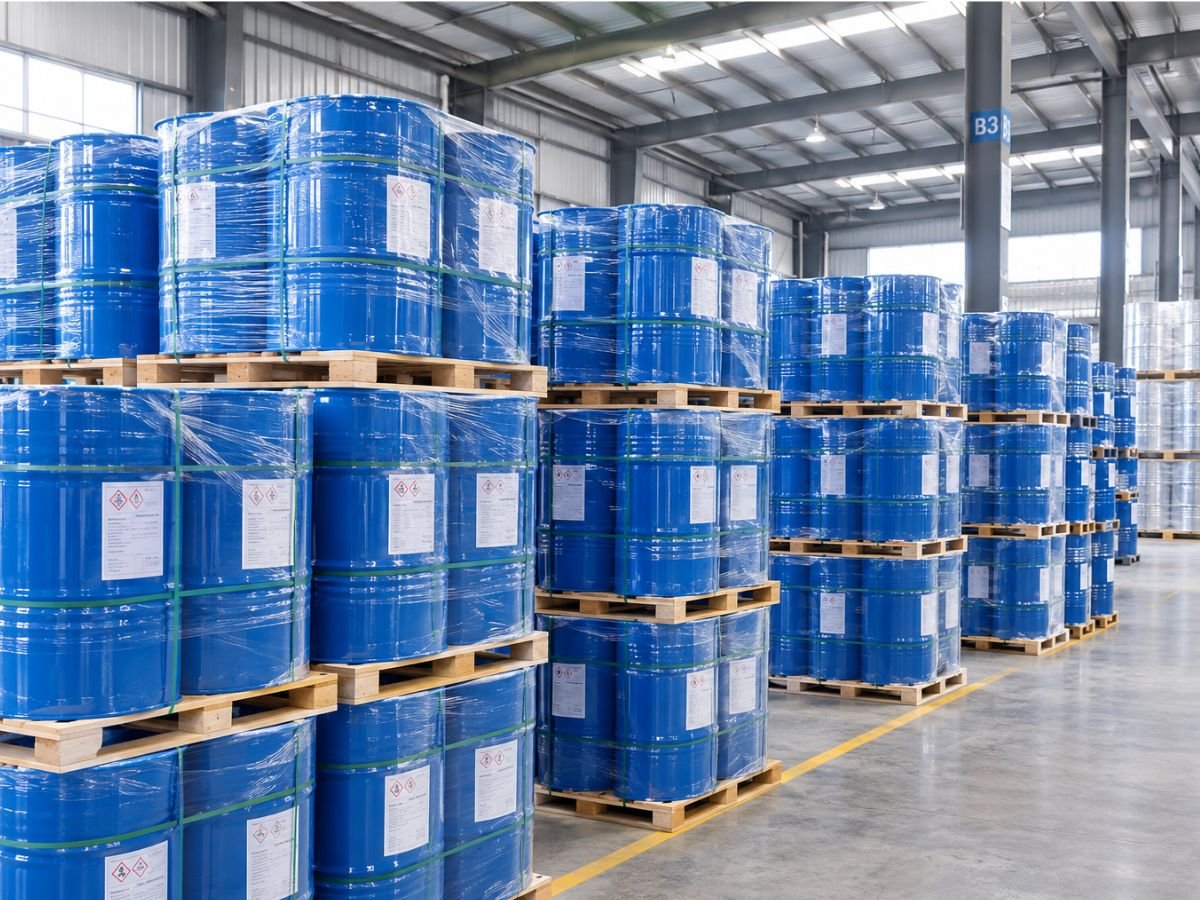
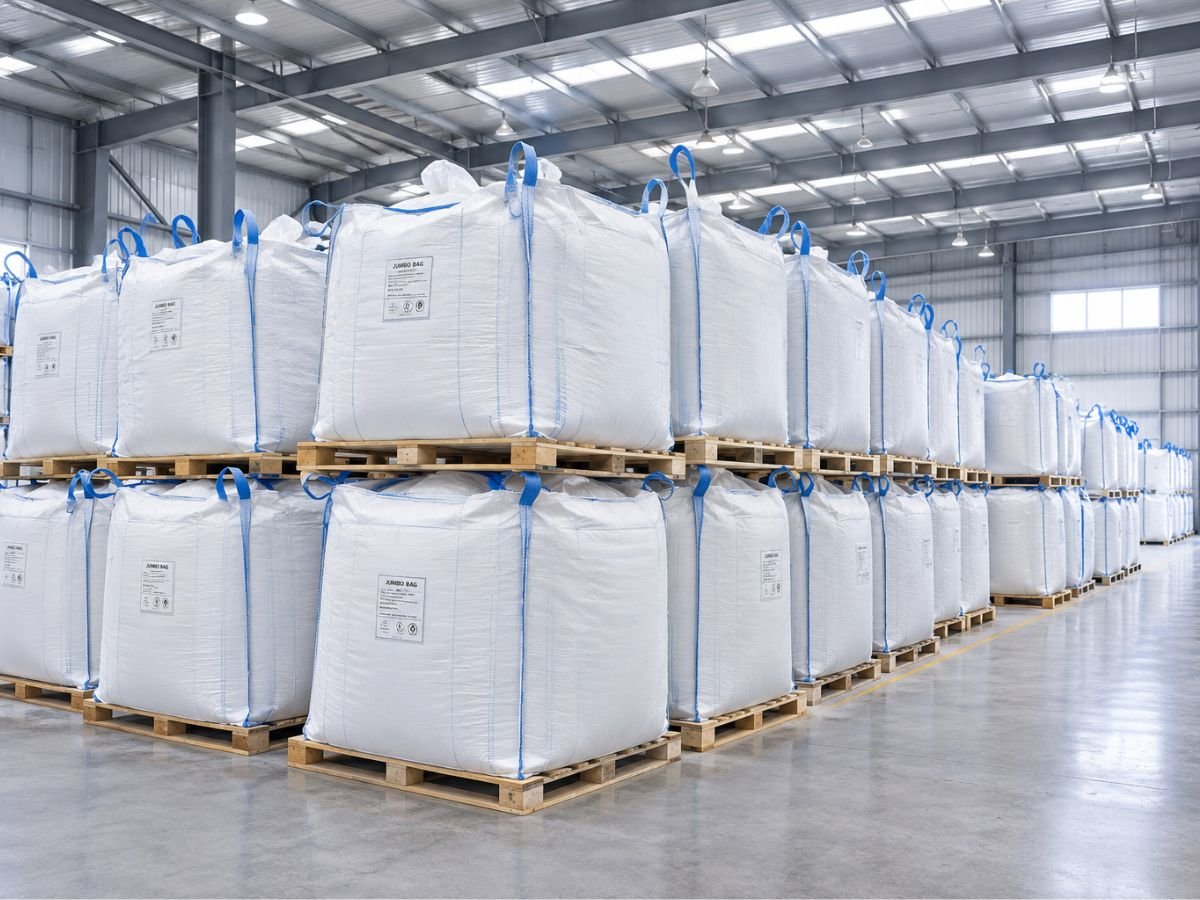

Photos are replaced with real product, packing and plant images as they become available.
07 Support
Customisation and engineering support
- Dryer review — send stream composition and current performance; we check whether a 3A change-out will help.
- Grade matching — send the data sheet of the adsorbent you use now; we propose an equivalent grade.
- Complete bed supply — main adsorbent, guard layer and ceramic balls in one shipment, under one COA system.
- Packing — steel drums or jumbo bags, sealed against moisture; samples from 5–10 kg.
08 Related solutions
More refining and petrochemicals solutions
09 Recommended products
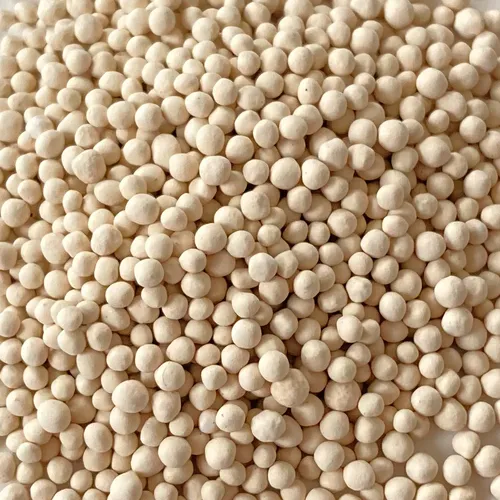
Products for olefin and cracked gas drying
10 FAQ
Molecular Sieve for Olefin and Cracked Gas Drying FAQ
Can’t find your answer? Ask our sales engineer.
Why does 4A cause coking in olefin dryers?
Olefins enter 4A pores and polymerise during hot regeneration; 3A Molecular Sieve keeps them out.
Can 3A dry butadiene feeds?
Yes, 3A is used for reactive C4 streams; confirm conditions with us.
Is 3A capacity lower than 4A?
Water capacity is similar; the gain is less co-adsorption and fouling.
Can you supply the support balls too?
Yes, Inert Alumina Ceramic Ball in graded sizes.