
Home › Applications › Natural gas & energy › Molecular Sieve for Natural Gas Sweetening
Molecular Sieve for Natural Gas Sweetening
Core Adsorbent supplies 13X and 5A molecular sieve for removing mercaptans and H₂S from natural gas and NGL, often combined with drying in the same adsorber.
13X / 5A
Sweetening grades
H₂S + RSH
Removed by adsorption
15–35 days
Delivery time
1 t
MOQ per grade
01 Overview
Which molecular sieve removes mercaptans and H₂S from natural gas?
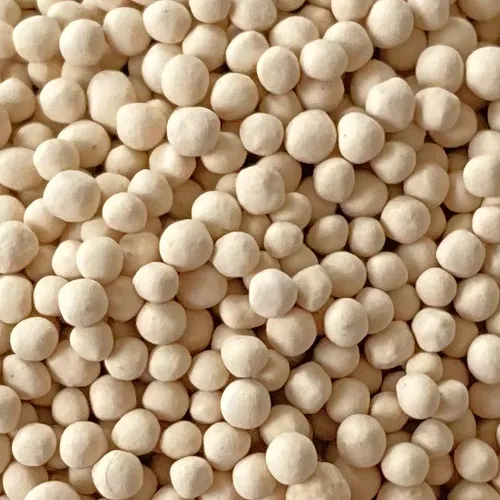
13X molecular sieve removes mercaptans and other sulphur compounds too large for A-type sieves, while 5A removes H₂S and light mercaptans. Both are regenerated by temperature swing and are often installed as layers below a 4A drying section in the same vessel.
| Mercaptans | 13X Molecular Sieve |
| H₂S and light mercaptans | 5A Molecular Sieve |
| Combined drying | 4A Molecular Sieve layer above |
| Regeneration | Temperature swing |
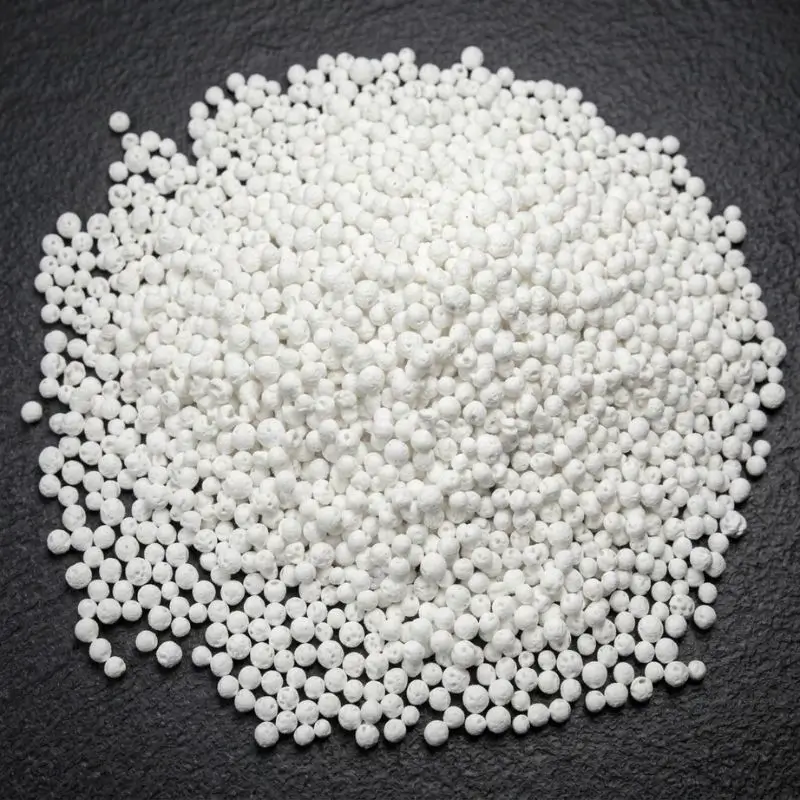
| Support | Inert Alumina Ceramic Ball |
02 Challenges
What makes sulphur removal by adsorption difficult?
Sulphur compounds compete with water and with each other for adsorption sites.

Water competition
Water is held more strongly than sulphur compounds, so the sweetening layer must sit below a drying layer.

Sulphur in regeneration gas
Mercaptans released during regeneration must be handled in the regeneration gas system.
Product specifications
NGL, LPG and pipeline gas carry strict total-sulphur and mercaptan limits.
COS formation
H₂S and CO₂ together can form COS on some sieves, adding a sulphur species.
03 Solutions
Recommended grades for sweetening service
01
Mercaptan removal
Typical requirement: meet a mercaptan or total-sulphur limit
- 13X Molecular Sieve — larger pore for heavier mercaptans
- 4A Molecular Sieve — drying layer above the 13X
02
H₂S polishing
Typical requirement: remove low H₂S levels
- 5A Molecular Sieve — H₂S and light mercaptan removal
- Activated Alumina Desiccant — inlet guard for liquids
03
Combined dry-and-sweeten
Typical requirement: dry and sweeten in one vessel
- 4A Molecular Sieve — top drying layer
- 13X Molecular Sieve — sweetening layer below
- Inert Alumina Ceramic Ball — support and hold-down
04 Selection guide
Sweetening adsorbent selection table
Full specifications are on each product page.
| Product | Use | Key figure |
|---|---|---|
| 13X Molecular Sieve | Mercaptan removal | ≈ 10 Å pore |
| 5A Molecular Sieve | H₂S and light mercaptans | 5 Å pore |
| 4A Molecular Sieve | Drying layer above sweetening | Static H₂O ≥ 22.5 % |
| Activated Alumina Desiccant | Inlet guard | Regenerable |
| Inert Alumina Ceramic Ball | Support and hold-down | 17–99 % Al₂O₃ |
05 Key properties
Data for sweetening beds
≈ 10 Å
13X pore for mercaptans
5 Å
5A pore for H₂S
≥ 18.5 %
13X static CO₂ adsorption
COA
Lot test report with every shipment
Product data from our specifications; layer heights depend on gas composition and sulphur spec. Full data: 13X Molecular Sieve, 5A Molecular Sieve.
06 From our plant
What you receive
The adsorbent, the packing and the plant it ships from.
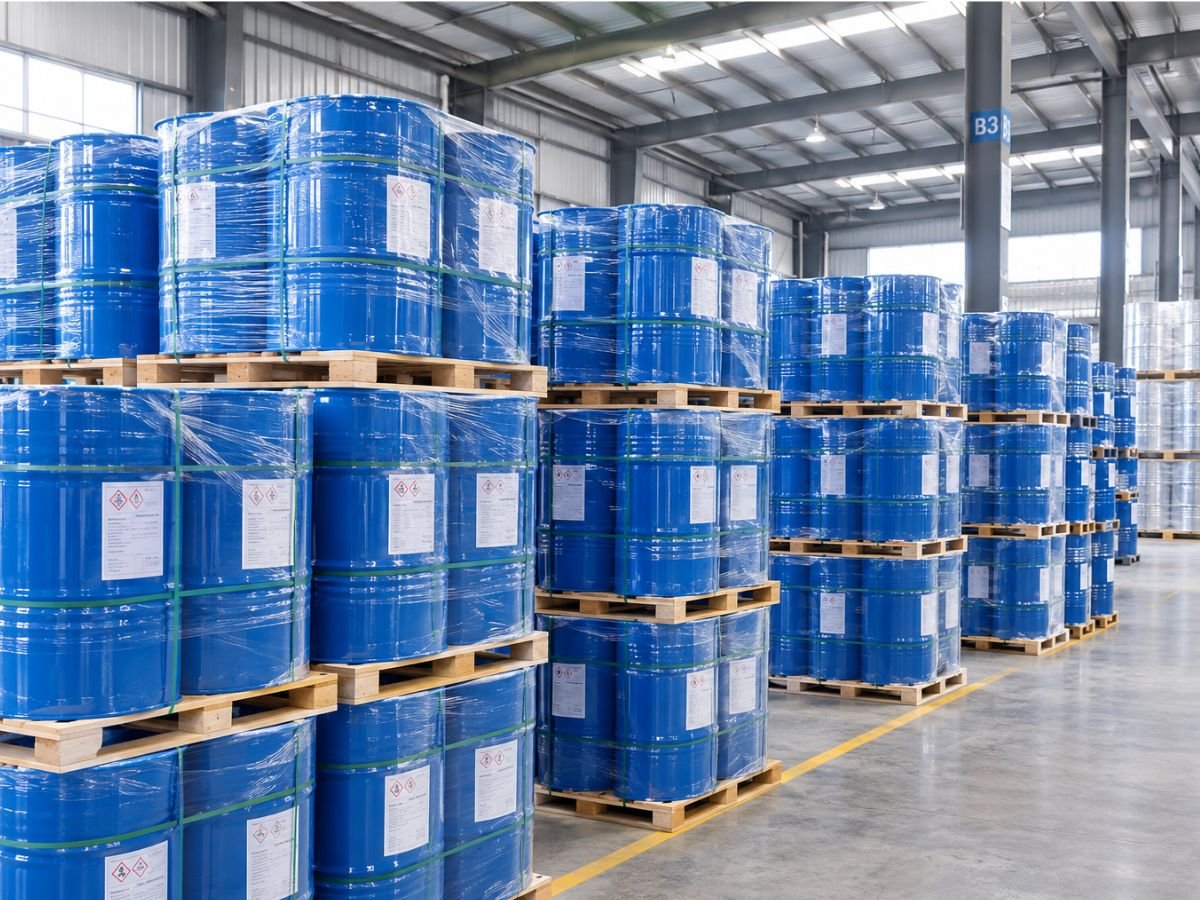
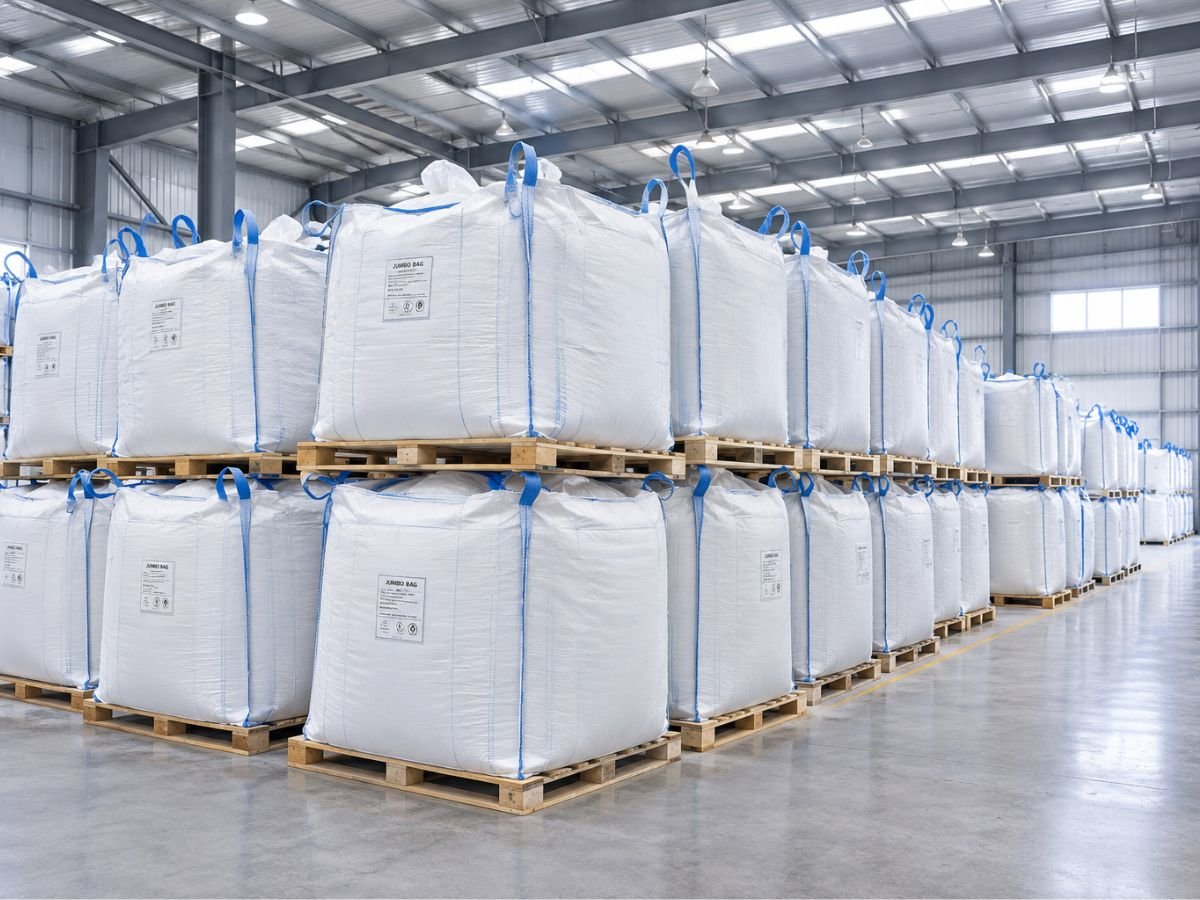


Photos are replaced with real product, packing and plant images as they become available.
07 Support
Customisation and engineering support
- Layer design — send gas analysis and sulphur specification; we propose drying and sweetening layer heights.
- Grade matching — send the data sheet of the adsorbent you use now; we propose an equivalent grade.
- Complete bed supply — main adsorbent, guard layer and ceramic balls in one shipment, under one COA system.
- Packing — steel drums or jumbo bags, sealed against moisture; samples from 5–10 kg.
08 Related solutions
More natural gas and energy solutions
09 Recommended products
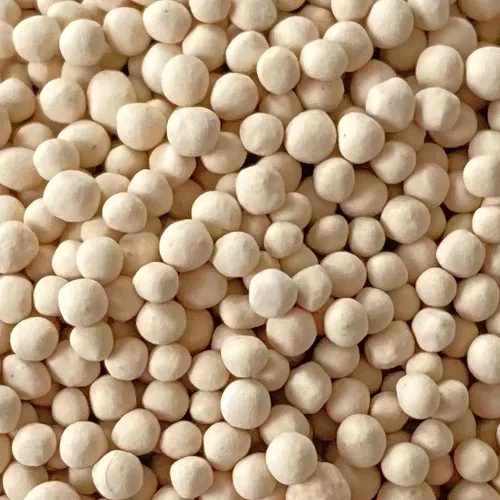
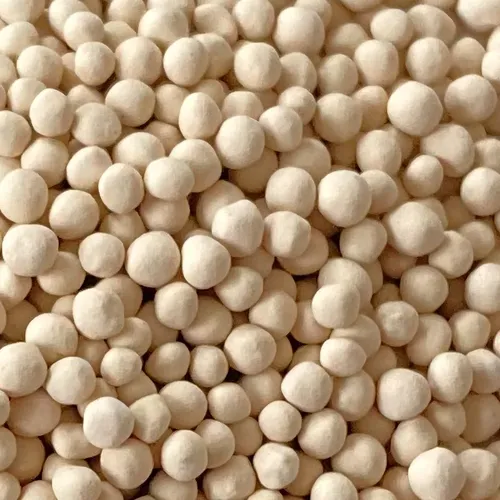
Products for natural gas sweetening
10 FAQ
Molecular Sieve for Natural Gas Sweetening FAQ
Can’t find your answer? Ask our sales engineer.
Can one vessel dry and sweeten the gas?
Yes. A 4A drying layer sits above a 13X sweetening layer, so water is removed before it reaches the sulphur sites.
What happens to the mercaptans removed?
They leave with the regeneration gas, which is usually routed to fuel or to a treating system.
Is 5A or 13X better for H₂S?
5A Molecular Sieve suits H₂S and light mercaptans; 13X Molecular Sieve is preferred when heavier mercaptans must also be removed.
How long do sweetening beds last?
It depends on sulphur load and regeneration; share your operating data for an estimate.