
Home › Applications › Natural gas & energy › Molecular Sieve for NGL and LPG Drying
Molecular Sieve for NGL and LPG Drying
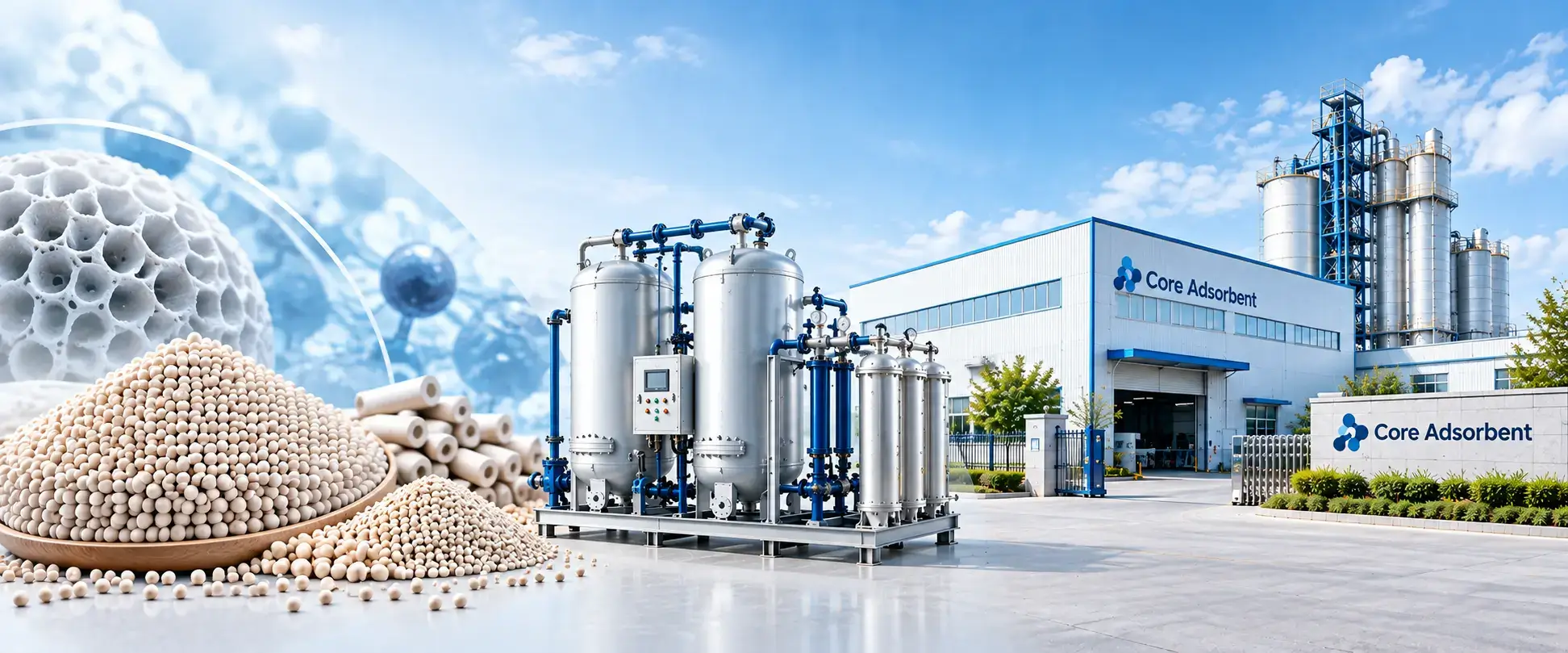
Core Adsorbent supplies 3A and 4A molecular sieve for drying liquid NGL and LPG streams to product specification, with 13X where mercaptans must also be removed.
3A / 4A
Main drying grades
Liquid phase
Upflow or downflow dryers
15–35 days
Delivery time
1 t
MOQ per grade
01 Overview
Which molecular sieve dries NGL and LPG?
Liquid NGL and LPG are dried with 4A molecular sieve, or 3A where co-adsorption of hydrocarbons and COS formation must be kept low. When the product must also meet a mercaptan specification, a 13X layer or a separate 13X treater is added.
| Main layer | 4A Molecular Sieve or 3A Molecular Sieve |
| Sulphur removal | 13X Molecular Sieve for mercaptans |
| Phase | Liquid-phase adsorption |
| Regeneration | Hot gas, temperature swing |
| Support | Inert Alumina Ceramic Ball |
02 Challenges
What goes wrong when drying NGL and LPG?
Liquid-phase dryers fail in different ways from gas dryers.
Free water slugs
Free water entering with the liquid saturates the top of the bed quickly and shortens the cycle.

COS in propane
H₂S and CO₂ in the liquid can react on the sieve to form COS, putting propane off spec.
Bed movement
Liquid flow and regeneration switching can move and abrade beads if hold-down is poor.
Draining and filling
Liquid must be drained before hot regeneration; slow draining wastes cycle time.
03 Solutions
Recommended grades for NGL and LPG service
01
NGL and mixed liquids
Typical requirement: dry to downstream fractionation spec
- 4A Molecular Sieve — high water capacity for liquid drying
- Inert Alumina Ceramic Ball — hold-down against bed movement
02
Propane and LPG with sulphur
Typical requirement: dry without forming COS
- 3A Molecular Sieve — admits water, limits COS formation
- Activated Alumina Desiccant — free-water guard at the inlet
03
Mercaptan specification
Typical requirement: remove mercaptans as well as water
- 13X Molecular Sieve — larger pore for mercaptans
- 4A Molecular Sieve — drying layer ahead of the 13X
04 Selection guide
NGL and LPG adsorbent selection table
Full specifications are on each product page.
| Product | Use | Key figure |
|---|---|---|
| 4A Molecular Sieve | Main drying layer | Static H₂O ≥ 22.5 % |
| 3A Molecular Sieve | Low-COS drying of propane and LPG | 3 Å pore |
| 13X Molecular Sieve | Mercaptan removal | ≈ 10 Å pore |
| Activated Alumina Desiccant | Free-water guard | Regenerable desiccant |
| Inert Alumina Ceramic Ball | Support and hold-down | 17–99 % Al₂O₃ |
05 Key properties
Data for liquid-phase dryers
≥ 22.5 %
4A static water adsorption
3 Å
3A pore that limits COS formation
≈ 10 Å
13X pore for mercaptans
COA
Lot test report with every shipment
Product data from our specifications; liquid-phase design depends on flow, temperature and water content. Full data: 4A Molecular Sieve, 3A Molecular Sieve, 13X Molecular Sieve.
06 From our plant
What you receive
The adsorbent, the packing and the plant it ships from.
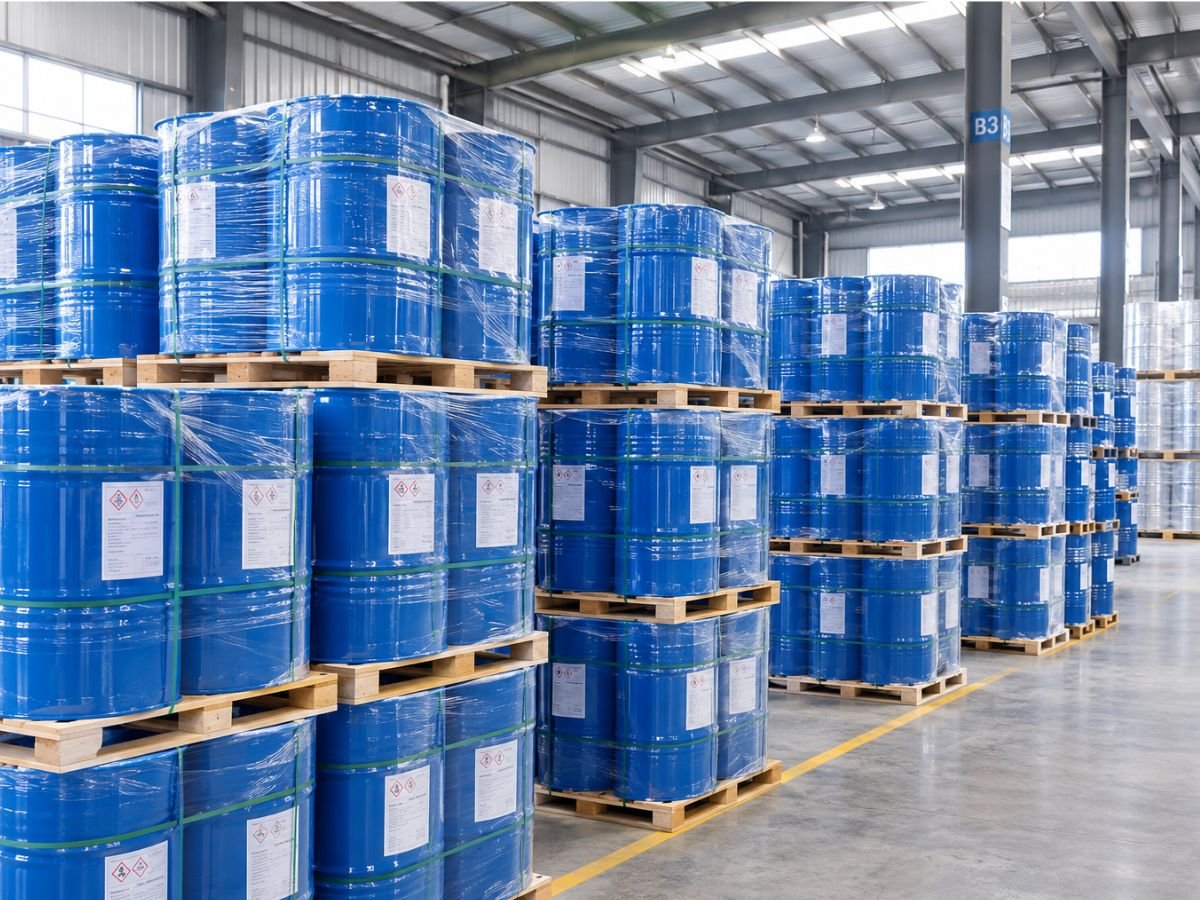
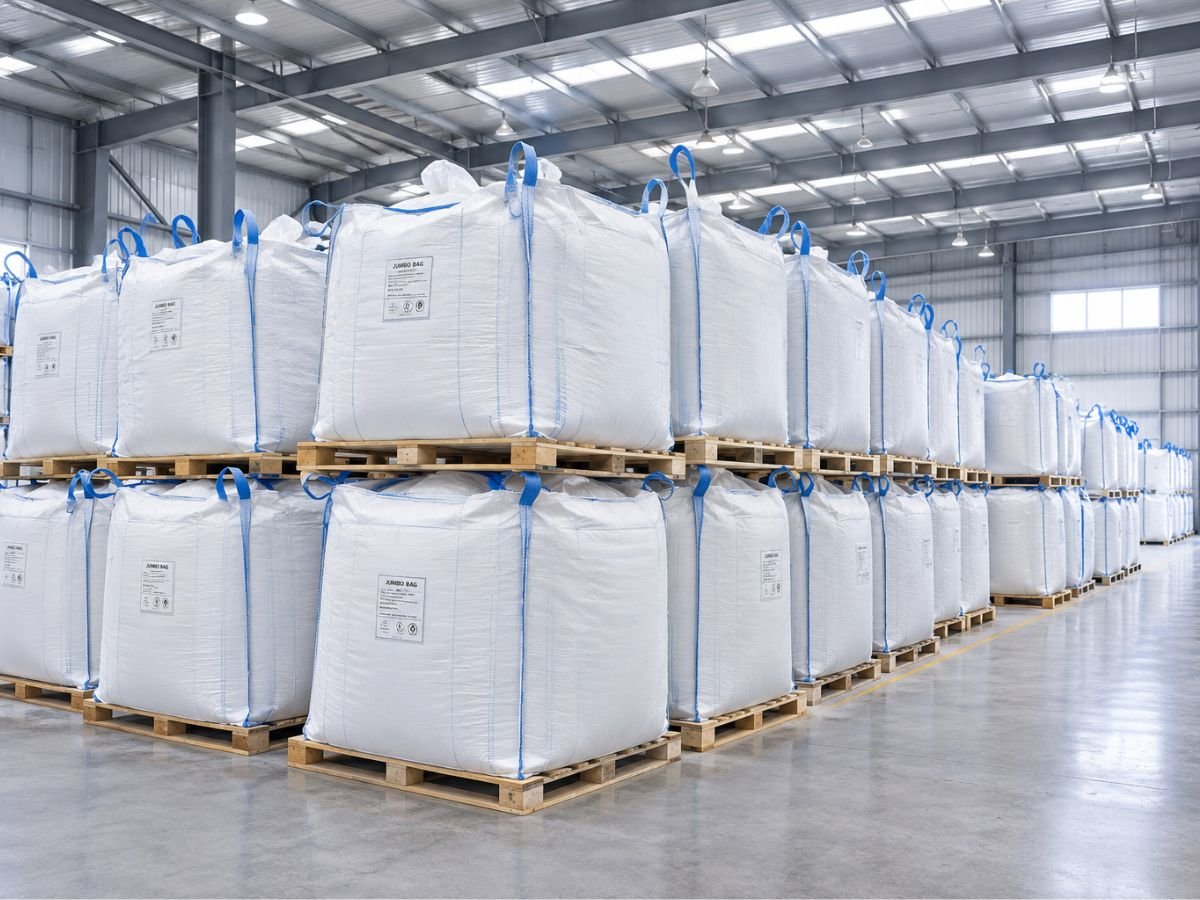
Photos are replaced with real product, packing and plant images as they become available.
07 Support
Customisation and engineering support
- Dryer sizing support — send liquid flow, temperature and water content; we propose grade, bead size and bed height.
- Grade matching — send the data sheet of the adsorbent you use now; we propose an equivalent grade.
- Complete bed supply — main adsorbent, guard layer and ceramic balls in one shipment, under one COA system.
- Packing — steel drums or jumbo bags, sealed against moisture; samples from 5–10 kg.
08 Related solutions
More natural gas and energy solutions
09 Recommended products
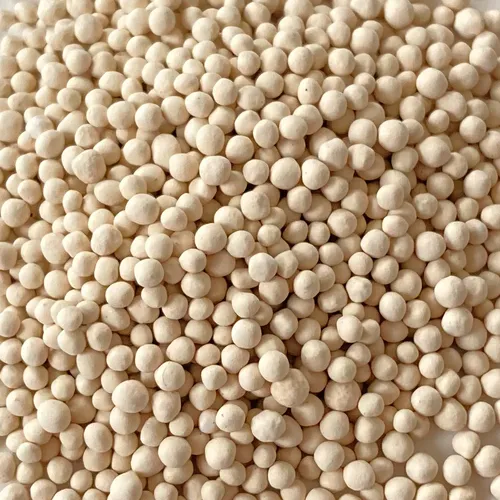
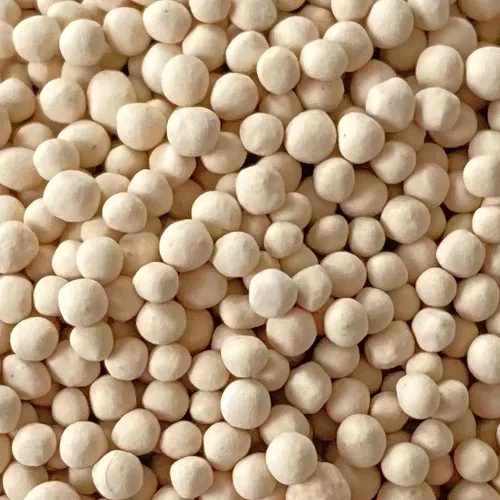
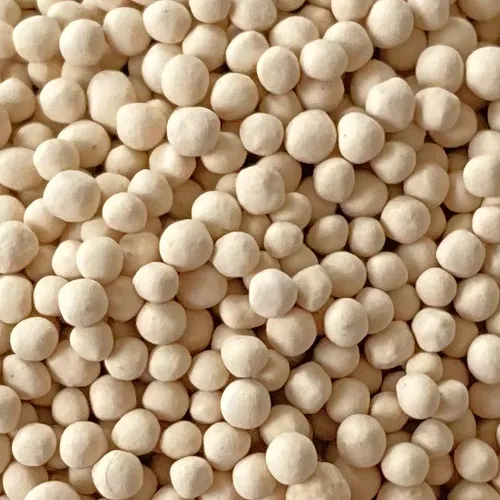
Products for NGL and LPG drying
Can the same sieve dry gas and liquid?
Yes, 4A and 3A are used in both, but liquid-phase beds are sized differently. Tell us the phase and flow.
How do I avoid COS formation in propane?
Use 3A Molecular Sieve or a low-COS grade where H₂S and CO₂ are present, and keep regeneration within the recommended range.
When is 13X needed?
When the product must meet a mercaptan limit; 13X takes up mercaptans that 4A cannot.
Which bead size suits liquid service?
Ø 1.6–2.5 mm or Ø 3.0–5.0 mm depending on vessel size and pressure drop; send your design for a recommendation.