
Home › Applications › Natural gas & energy
Industry
Adsorbents for Natural Gas & Energy
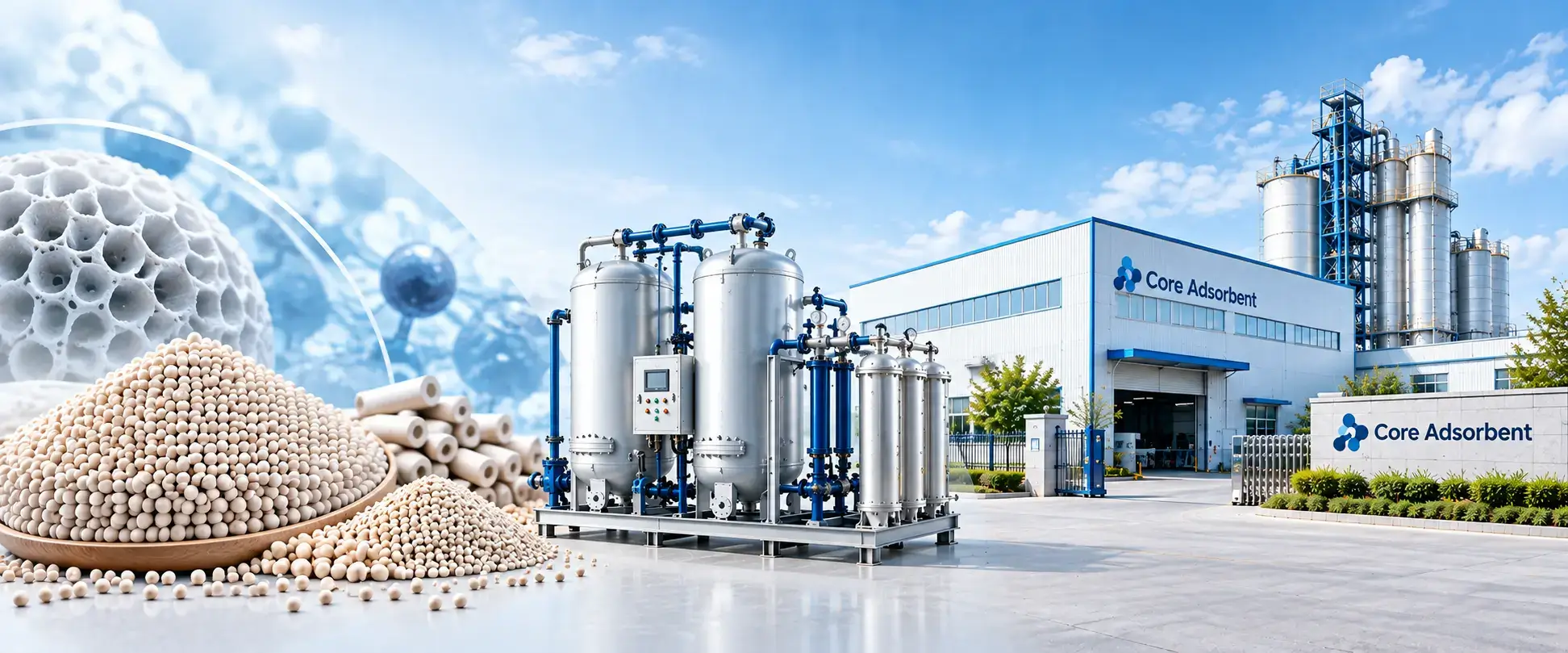
Core Adsorbent supplies molecular sieves, activated alumina and inert ceramic balls for natural gas dehydration, LNG pretreatment, NGL drying and gas treating.
< 0.1 ppmv
Outlet water before LNG
4A · 3A · 13X
Molecular sieve grades
Complete bed
Sieve, alumina, ceramic balls
15–35 days
Delivery time
01 Overview
What does natural gas processing need from adsorbents?
Natural gas must be dried to very low water levels before cryogenic recovery, liquefaction or pipeline delivery, and often needs sulphur compounds removed. Molecular sieve dehydrators do this by temperature swing adsorption, protected by an activated alumina guard layer and supported on inert ceramic balls.
02 Product solutions
Adsorbent solutions for natural gas and energy
Every solution page tagged to this application appears here automatically.
-
Solution
Activated Alumina for Natural Gas Drying
View solution →: Activated Alumina for Natural Gas DryingCore Adsorbent supplies activated alumina desiccant for natural gas drying and as a guard layer that protects molecular sieve dehydrators from free water and…
-
Solution
Molecular Sieve for LNG Pretreatment
View solution →: Molecular Sieve for LNG PretreatmentCore Adsorbent supplies 4A molecular sieve, activated alumina and inert ceramic balls for LNG pretreatment, drying feed gas below 0.1 ppmv water ahead of…
-
Solution
Molecular Sieve for Natural Gas Sweetening
View solution →: Molecular Sieve for Natural Gas SweeteningCore Adsorbent supplies 13X and 5A molecular sieve for removing mercaptans and H₂S from natural gas and NGL, often combined with drying in the…
-
Solution
Molecular Sieve for NGL and LPG Drying
View solution →: Molecular Sieve for NGL and LPG DryingCore Adsorbent supplies 3A and 4A molecular sieve for drying liquid NGL and LPG streams to product specification, with 13X where mercaptans must also…
03 Challenges
What goes wrong in natural gas drying?
Four problems decide whether a dehydration unit meets spec and how long its bed lasts.

Hydrates and ice
Water left in the gas forms hydrates in pipelines and freezes in cryogenic exchangers.

COS formation
When H₂S and CO₂ are co-adsorbed, a standard 4A bed can form carbonyl sulphide.
Bed damage
Liquid carry-over and condensation during regeneration break beads and form fines.
Sulphur specs
NGL, LPG and LNG products carry mercaptan and H₂S limits that drying alone does not meet.
04 How it works
A typical molecular sieve dehydration unit
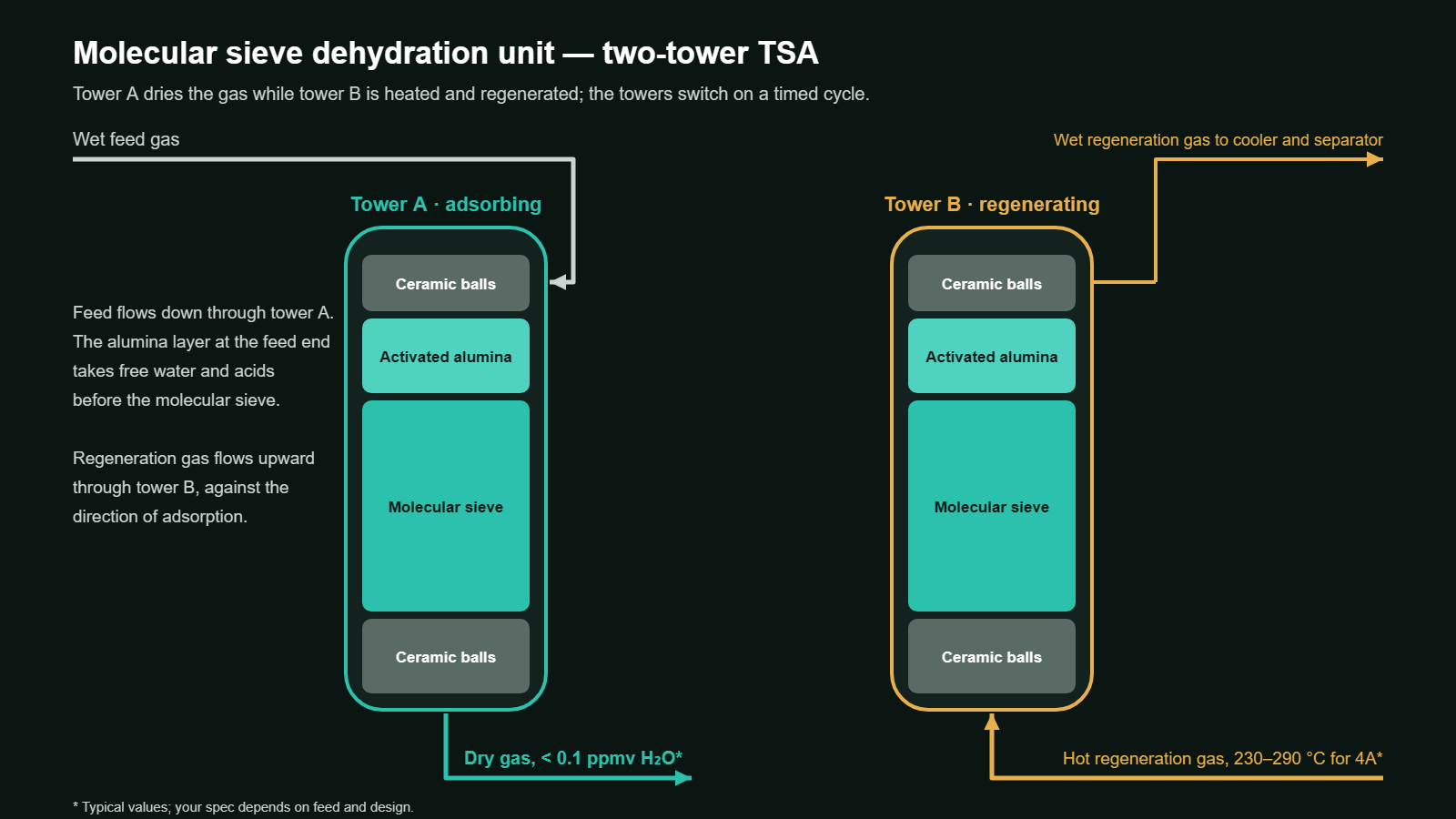
< 0.1 ppmv
Outlet water ahead of cryogenic and LNG sections
−100 °C
Water dew point achievable
230–290 °C
Typical regeneration gas temperature for 4A
2 + 1
Common tower arrangement for LNG and NGL plants
Typical industry values; your design depends on feed composition, flow and cycle. Reference: molecular sieve dehydration technology profile.
05 Selection guide
Natural gas adsorbent selection table
Full specifications are on each product page.
| Product | Use in natural gas | Key figure |
|---|---|---|
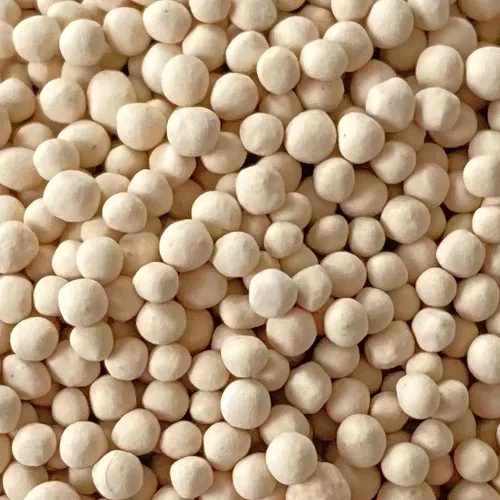
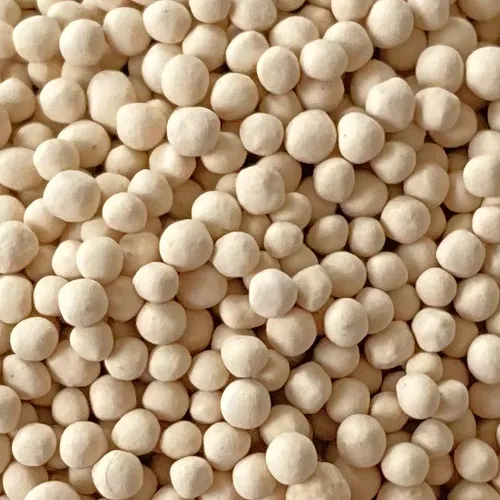
| 4A Molecular Sieve | Main drying layer for gas, NGL and LNG feed | Static H₂O ≥ 22.5 % (RH 75 %, 25 °C) |
| 3A Molecular Sieve | Gas with methanol upstream; low COS formation | 3 Å pore, static H₂O ≥ 21.5 % |
| 13X Molecular Sieve | Mercaptan, H₂S and CO₂ removal | Static CO₂ ≥ 18.5 % |
| 5A Molecular Sieve | H₂S and light mercaptan removal | 5 Å pore |
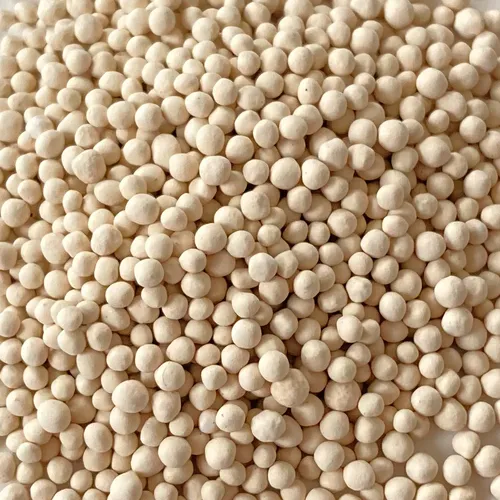
| Activated Alumina Desiccant | Guard layer for free water and acids | Regenerable desiccant |
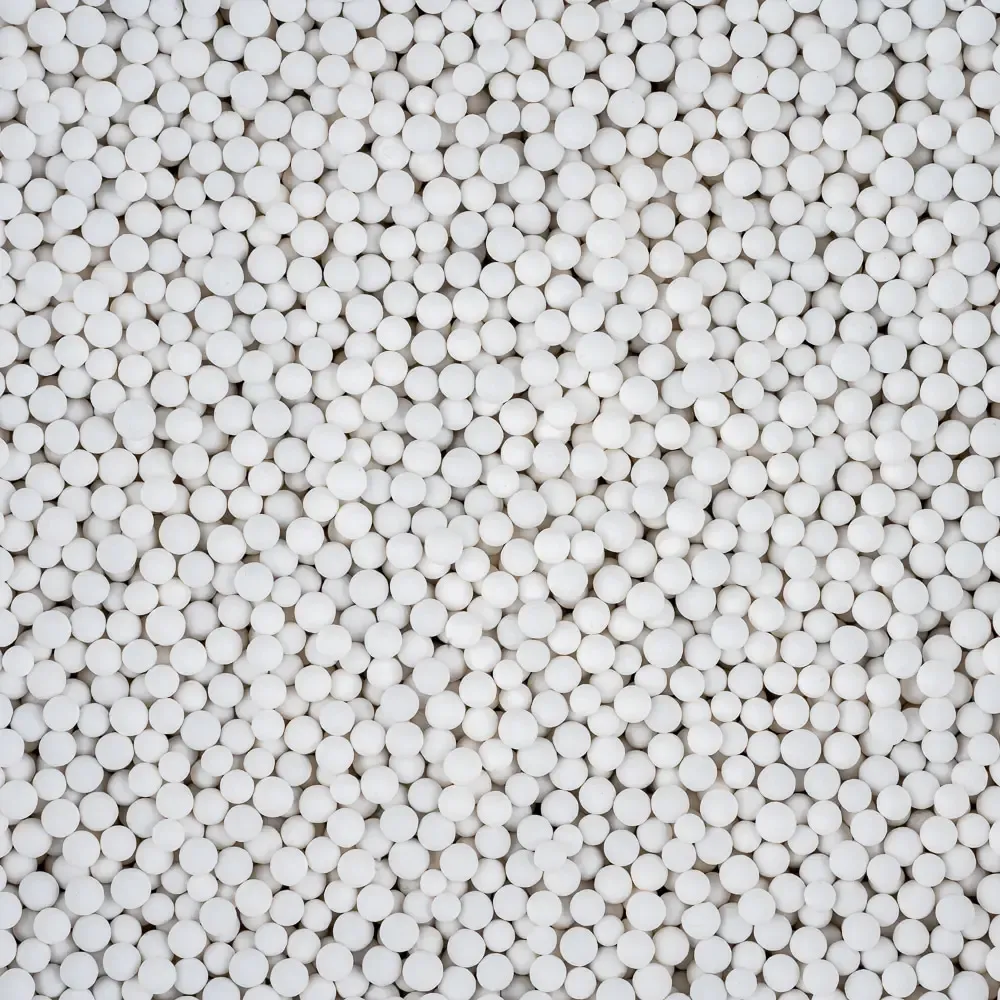
| Inert Alumina Ceramic Ball | Support and hold-down | 17–99 % Al₂O₃, Ø 3–50 mm |
06 Recommended products
Products used in this industry
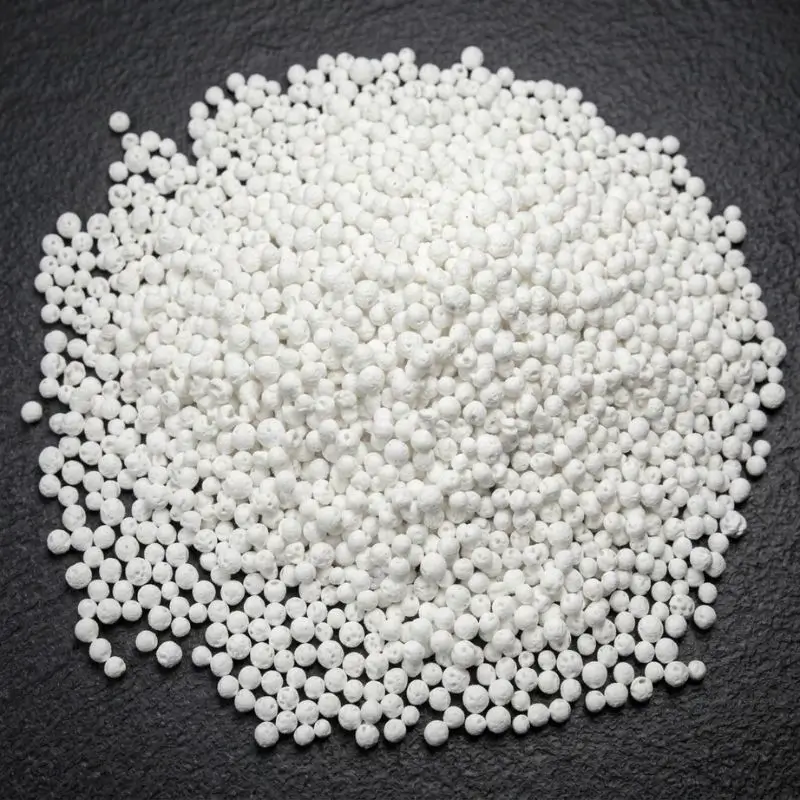
07 Case studies
Proven in plants like yours
Cases tagged to this application appear here automatically.
Case studies for this application will be published here.
08 From our plant
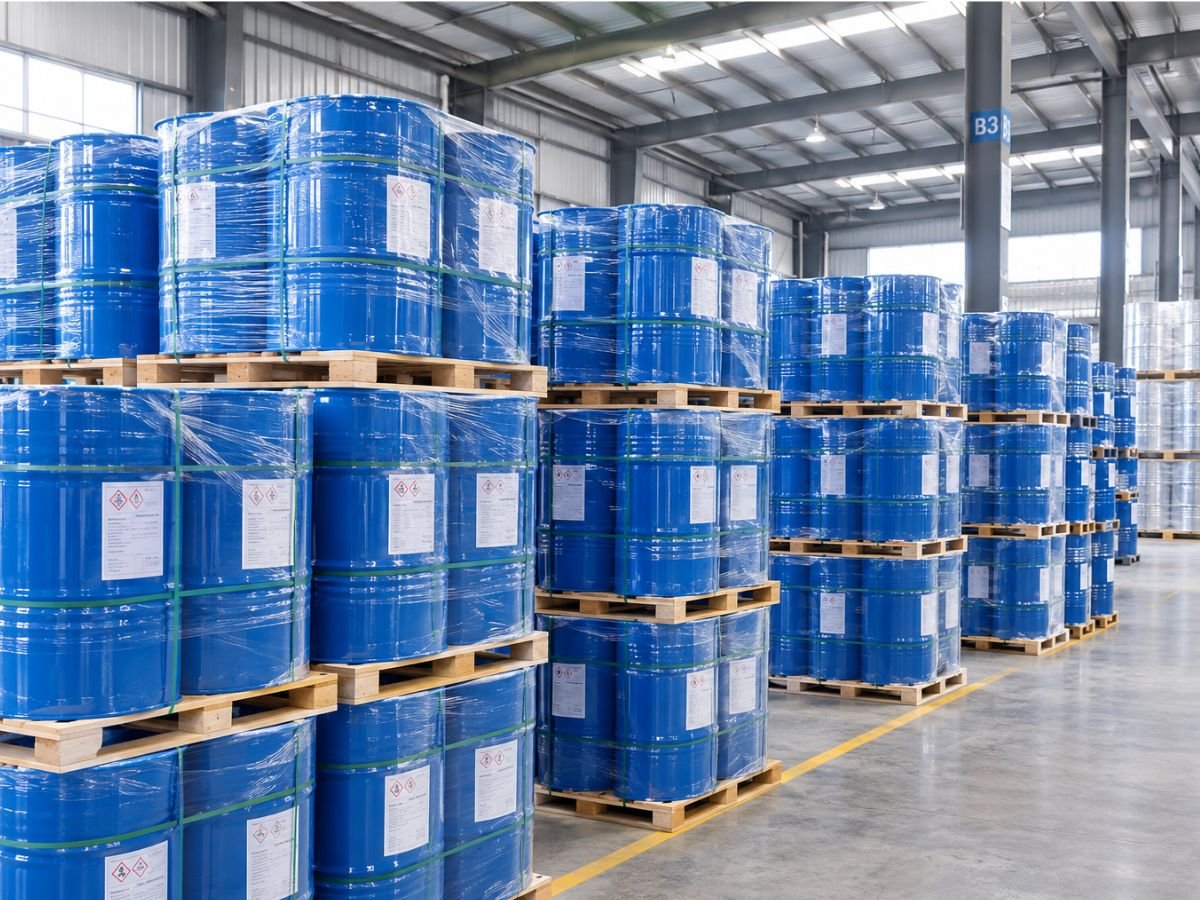
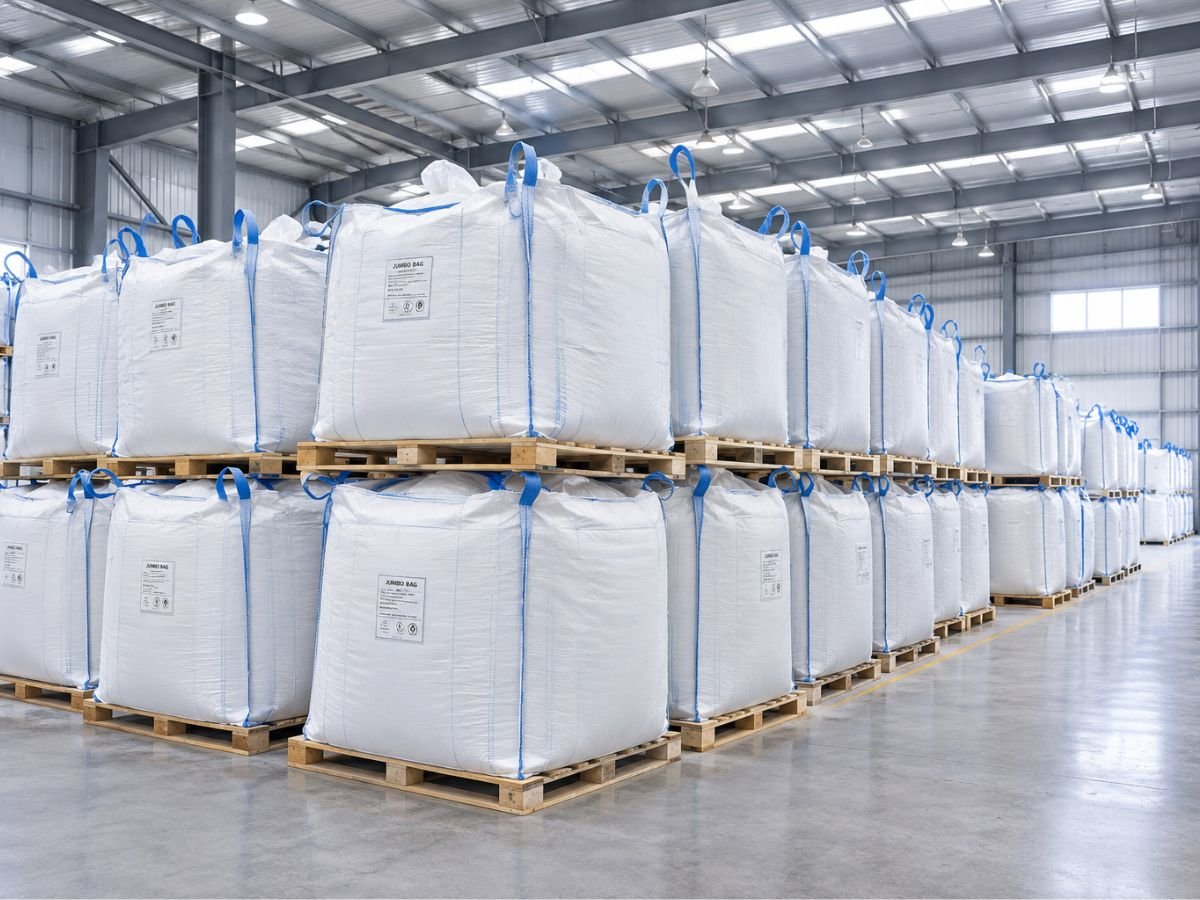
What you receive
The adsorbent, the packing and the plant it ships from.


Which molecular sieve is used for natural gas dehydration?
4A is the usual choice. 3A is preferred where methanol is injected upstream or where co-adsorption of H₂S and CO₂ should be limited.
Why add activated alumina to a molecular sieve dryer?
A layer of Activated Alumina Desiccant at the feed end takes free water and liquid carry-over first, protecting the sieve and extending bed life.
Can you supply the complete dryer bed?
Yes. We supply the molecular sieve, the alumina guard layer and the ceramic ball support together, sized to your vessel.
How do you limit COS formation in the dryer?
Use 3A Molecular Sieve or a low-COS 4A grade where the gas contains both H₂S and CO₂, and keep regeneration within the recommended range.
What regeneration temperature is used?
Regeneration gas for 4A is typically heated to about 230–290 °C; the exact value depends on grade, bed design and cycle.